Home

Category

Culture

32 articles


The Last Bell That Set Children Free: How America Engineered Boredom Out of Childhood

The Last Bell That Set Children Free: How America Engineered Boredom Out of Childhood

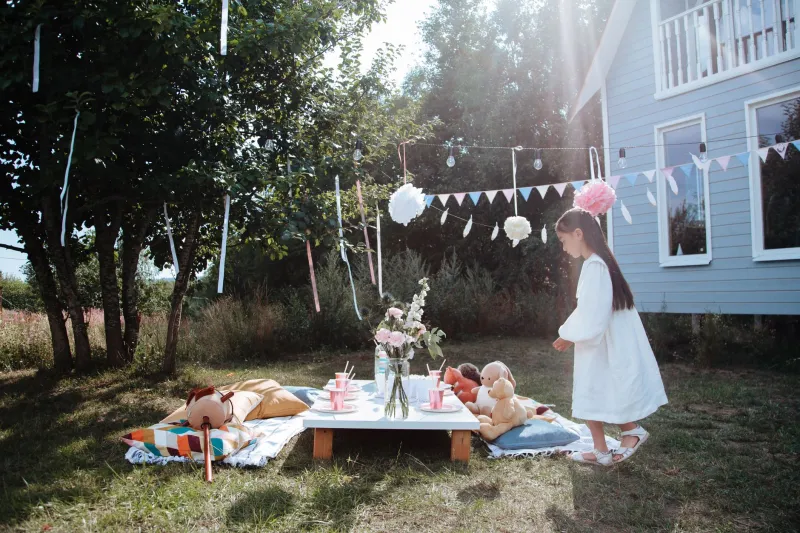
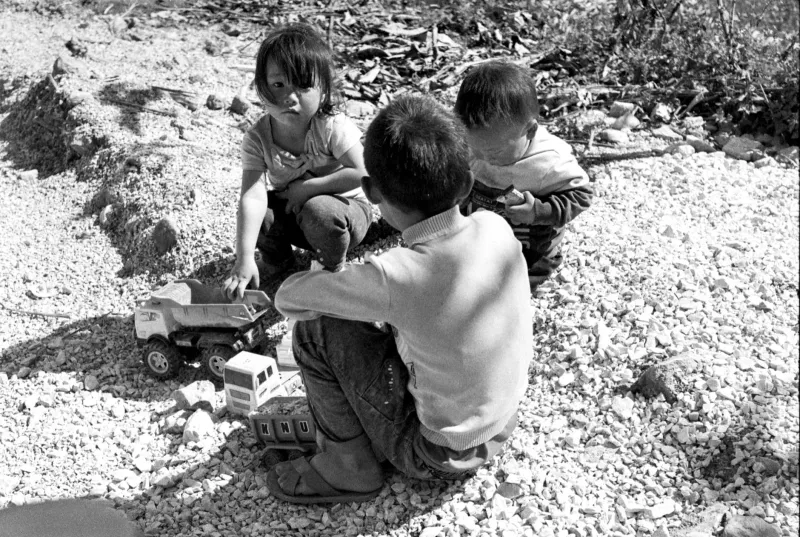
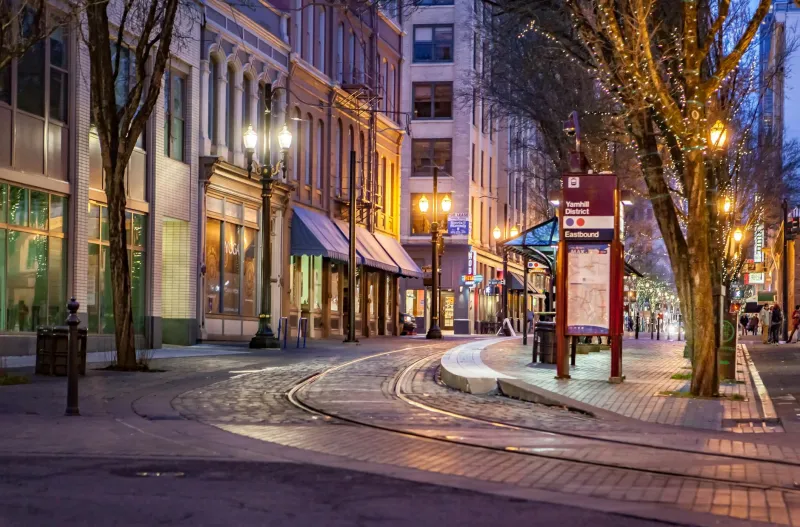
Once upon a time, American children heard the school bell and disappeared into their neighborhoods until dinner, creating their own adventures without adult supervision or scheduling. Today's kids navigate calendars that would challenge corporate executives, as childhood has been quietly transformed from unstructured exploration into managed optimization.

When Walking Across the Stage Meant Walking Into the Middle Class

When Walking Across the Stage Meant Walking Into the Middle Class

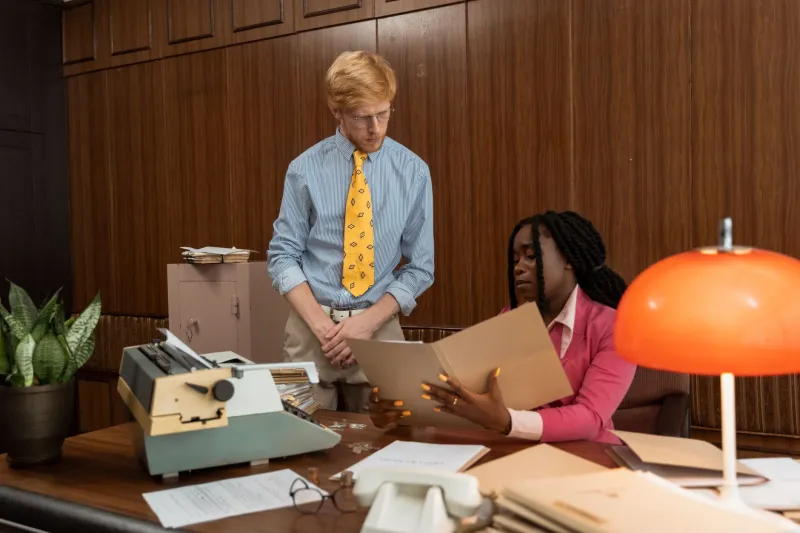
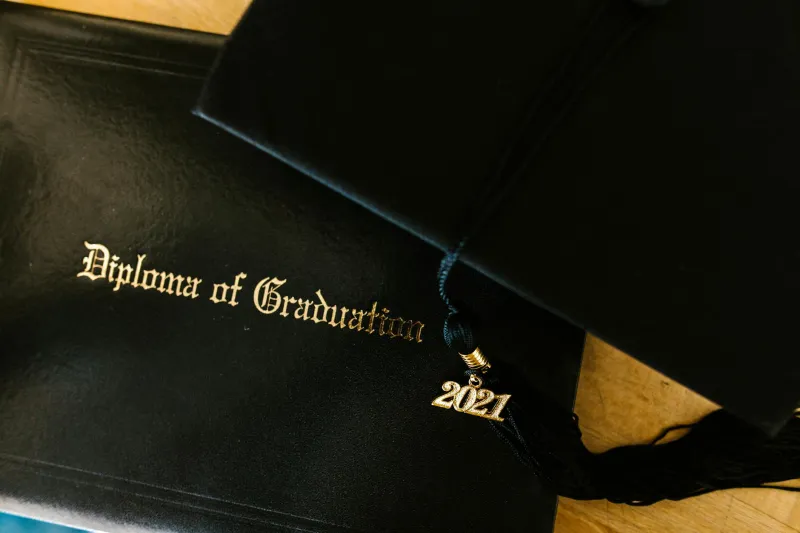
A generation ago, graduating high school opened doors to stable, well-paying careers at factories, utilities, and local businesses. Today, those same jobs require bachelor's degrees, leaving millions of Americans paying college tuition just to reach the starting line their parents crossed for free.

The Corner Pharmacy Where Your Name Was Written in Prescription Bottles, Not Databases

The Corner Pharmacy Where Your Name Was Written in Prescription Bottles, Not Databases

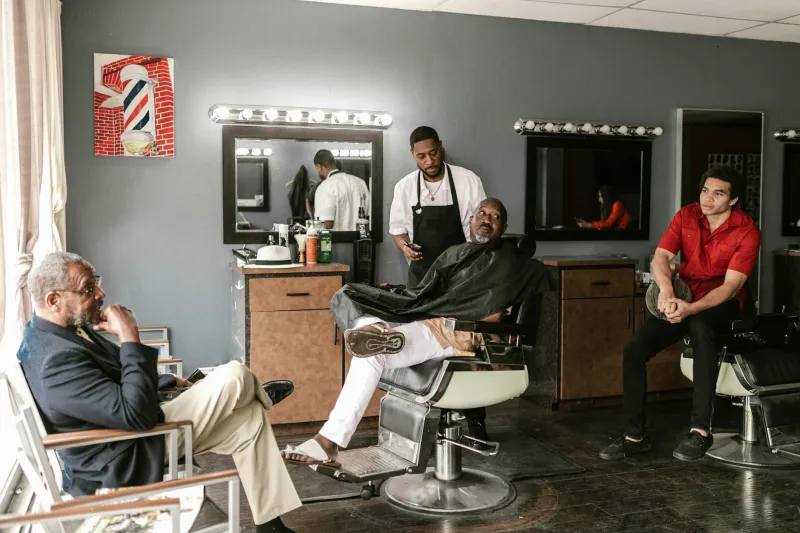
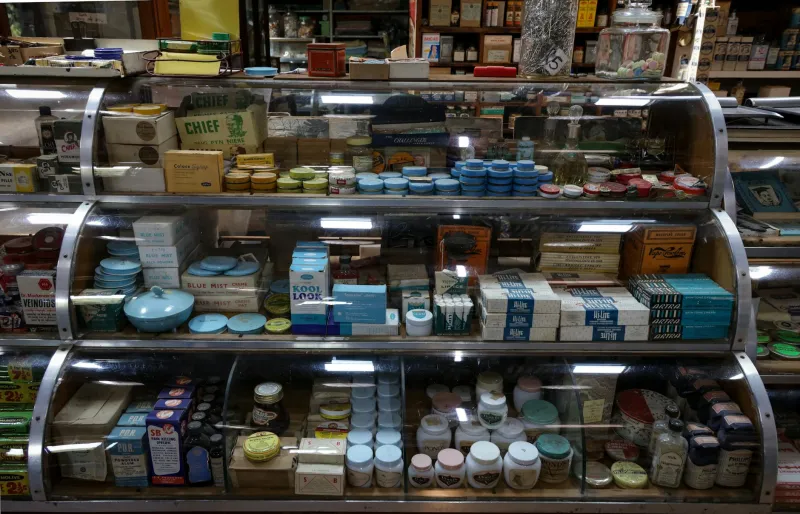
America's neighborhood pharmacists once knew your entire family's medical history by heart and would personally call to check on your recovery. Today's efficient chain pharmacies deliver convenience and speed, but something profound was lost when we traded the druggist who knew your birthday for the drive-through window that knows your insurance number.

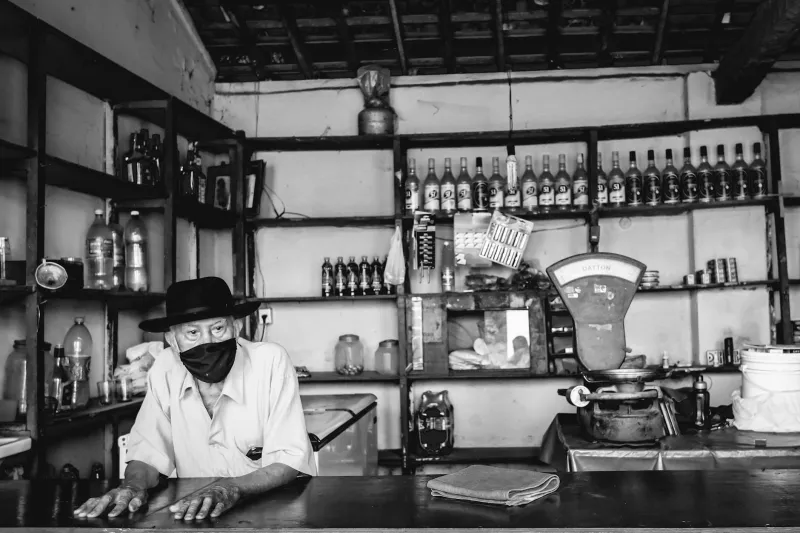
When Your Local Hardware Guy Knew Every Screw in Your House

When Your Local Hardware Guy Knew Every Screw in Your House

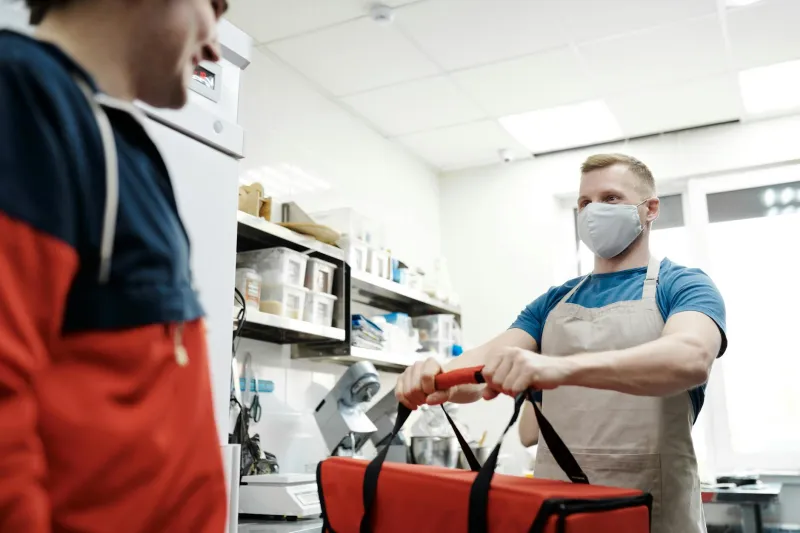
Before Home Depot and YouTube tutorials, fixing things meant walking into Murphy's Hardware where the owner remembered your last project and could diagnose your problem from across the counter. The death of neighborhood hardware stores didn't just change how we shop—it changed how we solve problems.

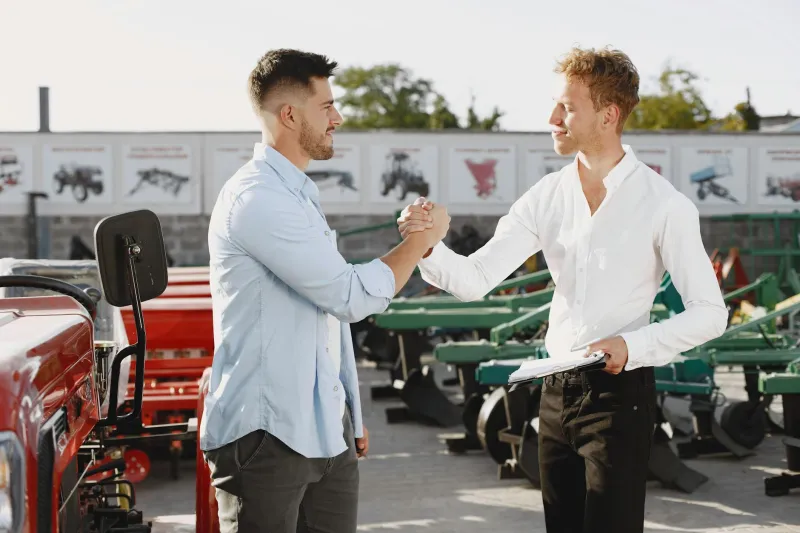
Back When Your Word and a Firm Handshake Could Buy You a House

Back When Your Word and a Firm Handshake Could Buy You a House

In 1955, buying a home meant walking into your local bank, sitting down with someone who knew your family, and walking out with a mortgage based on little more than your reputation and steady paycheck. Today's buyers navigate credit scores, debt-to-income ratios, and paperwork that would have baffled their grandparents.

The Retirement Deal Your Parents Got—And Why You Probably Won't

Mid-century retirement was simple: you worked for one company, they promised you a pension, you retired at 65 and lived predictably ever after. That bargain has been quietly dismantled over 40 years. What replaced it demands something entirely different from workers—and nobody told you the rules had changed.

Your Great-Grandmother's Grocery Store Stocked Fewer Items Than Your Local Gas Station

Your Great-Grandmother's Grocery Store Stocked Fewer Items Than Your Local Gas Station

Walk into an average American supermarket today and you'll navigate past roughly 30,000 individual products. In the 1950s, that same weekly errand involved choosing from about 3,000. The explosion of what ended up on those shelves reshaped not just how Americans shop, but what they eat, where their food comes from, and how they think about choice itself.

A Dollar Used to Feed a Family. Now It Barely Buys a Pepper.

A Dollar Used to Feed a Family. Now It Barely Buys a Pepper.

In 1955, a family of four could walk out of the grocery store with a full week's worth of food for under $20. Today, that same cart might set you back $300 — but the story behind those numbers is a lot more complicated than simple inflation.

The Diseases That Terrified Every American Parent — And Why Most of Them Don't Anymore

The Diseases That Terrified Every American Parent — And Why Most of Them Don't Anymore

In the 1950s, summer meant polio season, and parents kept their kids away from public pools out of genuine fear. Infant mortality was a near-universal grief. Bacterial infections that are now cured with a single prescription were death sentences. What happened between then and now is one of the most remarkable — and underappreciated — stories in American life.

The House That Post-War America Called Home Would Barely Hold Your Stuff Today

The House That Post-War America Called Home Would Barely Hold Your Stuff Today

The average American home has more than doubled in size since 1950 — while the average family has gotten smaller. We gained the square footage, added the bathrooms, and filled every room with things we didn't used to own. The question worth asking is whether any of it made us more comfortable, or just better at accumulating.