The Eyes and Ears of Every Block: When America's Safety Net Had Names and Faces
The Eyes and Ears of Every Block: When America's Safety Net Had Names and Faces
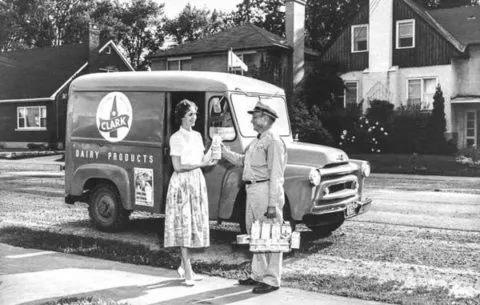
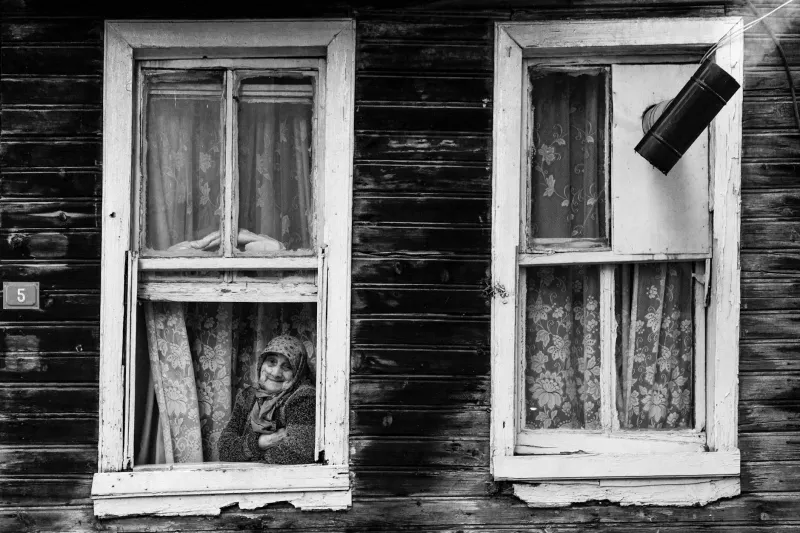
On Elm Street in Cedar Rapids, Iowa, everyone knew that Mrs. Henderson was watching. From her kitchen window, she could see most of the block, and she made it her business to know the rhythm of her neighbors' lives. She knew that Mr. Kowalski left for his shift at the plant every morning at 6:47 AM, that the Johnson kids walked to school at exactly 8:15, and that old Mrs. Chen liked to tend her garden every afternoon around 3:00.
 Photo: Elm Street, via coloringpagesonly.com
 Photo: Cedar Rapids, Iowa, via 3.bp.blogspot.com
More importantly, she knew when something was wrong.
When a strange car circled the block three times on a Tuesday afternoon, Mrs. Henderson was on the phone within minutes—not to 911, but to Bob Martinez down the street, who happened to be a retired police officer. When the teenage Murphy boy started coming home at odd hours with bloodshot eyes, she had a quiet word with his mother over the back fence. When Mrs. Chen didn't appear in her garden for three straight days, Mrs. Henderson knocked on her door and found her neighbor sick with flu, unable to get to the pharmacy.
This wasn't nosiness—it was neighborhood security, American-style.
The Unofficial Watchers
In the decades following World War II, most American neighborhoods developed their own informal surveillance networks. These weren't official programs or government initiatives. They were organic systems that emerged from the simple reality of people living close together and caring about their shared space.
Every block seemed to have its designated watchers—usually older residents, stay-at-home mothers, or retirees who had both the time and inclination to keep tabs on the comings and goings around them. They weren't elected or appointed. They simply stepped into the role because someone had to, and they were available.
These unofficial block captains served multiple functions that we've since divided among various technologies and institutions. They were early warning systems for crime, informal social workers for struggling families, and communication hubs for neighborhood news. Most importantly, they were accountability partners who made antisocial behavior much more difficult.
The Power of Knowing Everyone's Story
What made these human security systems so effective wasn't just that they were always watching—it was that they understood context. Mrs. Henderson didn't just see a teenager coming home late; she saw Tommy Murphy, whose father had been drinking heavily since losing his job at the factory. She didn't just notice an unfamiliar car; she recognized that it didn't belong to any of the relatives, friends, or regular visitors she'd cataloged over years of observation.
This contextual knowledge allowed neighborhood watchers to distinguish between genuine threats and harmless anomalies in ways that modern security systems still struggle to match. A camera might record a stranger walking through the neighborhood, but Mrs. Henderson would know whether that stranger was lost, looking for someone specific, or casing houses for a break-in.
The watchers also understood social dynamics that no algorithm could decode. They knew which houses had ongoing domestic problems, which families were struggling financially, and which kids were starting to run with the wrong crowd. This knowledge allowed them to intervene early, often preventing problems before they became crises.
The Intervention Network
When neighborhood watchers identified a problem, they had tools for addressing it that went far beyond calling the police. They could mobilize informal support networks, apply social pressure, or connect people with resources—all without involving official authorities.
If a family was struggling financially, the watchers might organize a quiet collection or make sure extra food found its way to their door. If a teenager was getting into trouble, they might arrange for him to "help" an older neighbor with yard work—providing both supervision and a positive role model. If an elderly resident seemed isolated or depressed, they'd ensure a steady stream of visitors with various excuses for checking in.
This system worked because it was based on relationships rather than rules. The watchers had credibility because they'd invested time in their community. People listened to them because they'd demonstrated genuine care over years of small interactions.
The Collapse of Constant Contact
Several forces combined to dismantle these informal security networks. Suburban sprawl spread houses farther apart and made casual observation more difficult. Air conditioning meant people spent less time on porches and stoops where they could naturally monitor street activity. Television and later personal computers moved family life indoors and reduced spontaneous social interaction.
Most significantly, American culture began to value privacy over community accountability. The same behaviors that had been seen as neighborly concern started to be viewed as intrusive nosiness. People wanted the freedom to come and go without explanation, to live their lives without constant observation, to solve their own problems without community interference.
By the 1990s, many neighborhoods had become collections of individual households rather than genuine communities. People might live next door to each other for years without learning each other's names, much less understanding each other's daily routines and personal challenges.
The Digital Replacement
Into this void stepped technology. Ring doorbells now record everyone who approaches our homes. Nextdoor apps allow neighbors to share information and concerns. Automated security systems monitor our property 24/7. GPS tracking lets parents know exactly where their children are at all times.
These tools provide some of the same functions as the old neighborhood watchers, but they lack the most crucial element: human judgment. A Ring camera can show you that someone was on your porch, but it can't tell you whether that person was delivering a package, checking on an elderly neighbor, or casing your house for a burglary.
Nextdoor can alert you to suspicious activity, but it often amplifies fears rather than providing the contextual understanding that Mrs. Henderson would have offered. Without the deep knowledge that came from years of observation, digital neighborhood watch systems tend to treat all unfamiliar activity as potentially threatening.
What We Lost in Translation
The shift from human watchers to technological surveillance represents a fundamental change in how we think about community safety. We've gained privacy and efficiency, but we've lost accountability and connection.
The old system wasn't perfect. It could be exclusionary, judgmental, and intrusive. It sometimes confused conformity with safety and treated difference as suspicion. But it also created something that technology can't replicate: the sense that someone cared enough to pay attention.
Mrs. Henderson didn't just watch her neighborhood—she was invested in it. She knew that her own safety and quality of life depended on the wellbeing of everyone around her. That investment created a level of commitment that no app or camera can match.
The Human Algorithm
As we scroll through another Nextdoor alert about "suspicious activity" that turns out to be a food delivery driver, it's worth considering what we've traded away. We've replaced neighbors who knew our stories with algorithms that only know our data. We've substituted human judgment with digital detection. We've chosen privacy over community accountability.
The result is a paradox: we have more security technology than ever before, but many people feel less safe in their neighborhoods. We can monitor everything, but we understand nothing. We can see what's happening, but we've lost the ability to interpret what it means.
Maybe the most advanced security system isn't a camera or an app—it's having neighbors who care enough to learn your name, understand your routine, and notice when something seems wrong. Sometimes the best technology is just someone paying attention.
Mrs. Henderson understood something that our digital world has forgotten: true security doesn't come from watching everything—it comes from caring about everyone.