The Five-Cent Social Network: When America's Gathering Place Had Stools Instead of Screens
The Five-Cent Social Network: When America's Gathering Place Had Stools Instead of Screens
Before social media feeds and coffee shop WiFi, Americans gathered around a different kind of connection point: the drugstore soda fountain. For over fifty years, these marble-topped counters served as the beating heart of community life, where a nickel Coke purchased more than refreshment—it bought you a seat at the ongoing conversation that was small-town America.
More Than Just Ice Cream
Walk into Dawson's Drugstore in any American town circa 1955, and you'd find a scene that modern eyes might struggle to recognize. Behind the polished soda fountain, a "soda jerk" in a paper hat mixed phosphates, floats, and sundaes while managing the social dynamics of whoever happened to be perched on the red vinyl stools.
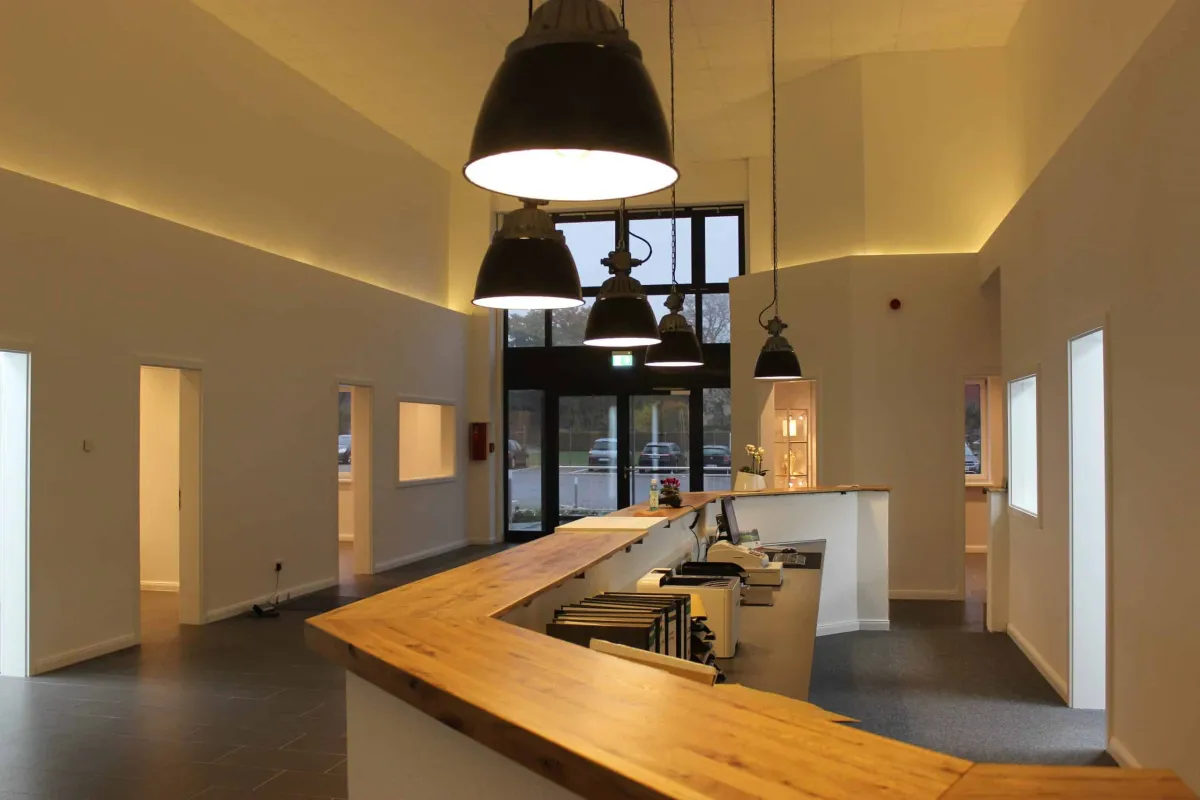 Photo: Dawson's Drugstore, via tierklinik-lichtenberge.de
The fountain wasn't an afterthought—it was often the most profitable part of the business. While customers waited for prescriptions or shopped for toiletries, they'd naturally drift toward the fountain area, drawn by the sounds of conversation and the promise of something cold and sweet.
But the real product wasn't the ice cream or the Coca-Cola. It was the sense of belonging that came with claiming a stool and joining whatever discussion was already underway.
The Democracy of the Counter
What made soda fountains unique was their radical egalitarianism. Unlike restaurants with different sections for different social classes, or private clubs with membership requirements, the fountain counter operated on a first-come, first-served basis. The bank president might find himself sitting next to the mailman, both nursing cherry Cokes and arguing about the local baseball team's chances.
Teenagers saved their allowances for after-school visits, where a chocolate malt could be stretched for an hour of socializing. Senior citizens made the fountain part of their daily routine, stopping by for coffee and conversation after running errands. Young mothers brought children for treats that doubled as social breaks from domestic isolation.
The physical design reinforced this democracy. Counter seating meant everyone faced the same direction, creating a natural amphitheater for group conversation. Unlike tables that created separate social pods, the fountain counter encouraged strangers to become part of ongoing discussions.
The Soda Jerk as Social Conductor
The person behind the counter—invariably called a "soda jerk" regardless of gender—served as much more than a server. They were part bartender, part therapist, part community bulletin board. A skilled soda jerk knew everyone's usual order, remembered personal details, and could facilitate introductions between customers who shared common interests.
They also controlled the social temperature of the space. If conversations got too heated, they might interject with a joke or redirect attention to a new arrival. If someone seemed lonely, they'd make sure that person got drawn into the group dynamic. The best soda jerks were unofficial mayors of their small marble kingdoms.
During the teenage boom of the 1950s, soda jerks became particularly important as informal chaperones. They could spot budding romances, defuse potential conflicts, and ensure that the fountain remained a safe space for young people to socialize under adult supervision.
The Rhythm of Community Life
Soda fountains operated on the natural rhythms of daily life in ways that modern gathering spaces rarely do. The morning crowd consisted mainly of adults grabbing coffee and catching up on overnight news. Lunch brought office workers seeking quick meals and informal business meetings over grilled cheese sandwiches.
After school, teenagers transformed the space into their unofficial headquarters. They'd crowd around the counter, sharing gossip, planning weekend activities, and navigating the complex social hierarchies of high school life. The fountain provided a supervised but relatively adult-free zone where young people could practice social skills and romantic relationships.
Evenings brought families and couples on informal dates. Parents could treat their children while socializing with other adults. Young couples could share a sundae in a public but intimate setting that satisfied both romantic desires and social propriety.
When Everything Changed
The decline of soda fountains began in the 1960s and accelerated through the following decades. Several factors contributed to their disappearance, but the rise of fast food was perhaps the most decisive blow.
McDonald's and similar chains offered something fountains couldn't: speed and predictability. You could grab a burger and shake in minutes rather than settling in for an extended social session. For increasingly busy Americans, efficiency trumped community.
The growth of suburban shopping malls also hurt downtown drugstores. When pharmacies moved to strip centers and big-box stores, they often abandoned fountain service entirely. The economics had changed—chain stores prioritized inventory turnover over the labor-intensive personal service that fountains required.
Air conditioning, ironically, also played a role. As more homes and businesses became climate-controlled, the simple pleasure of a cold drink on a hot day lost some of its appeal. People had less reason to seek out the cool relief that fountains traditionally provided.
The Digital Age's False Promise
Today's coffee shops and casual dining restaurants attempt to recreate some of the fountain's social function, but they operate under fundamentally different principles. Modern spaces prioritize individual comfort over community interaction. People sit at separate tables, often absorbed in their phones rather than engaging with strangers.
Social media promised to connect us more effectively than physical gathering spaces ever could. And in some ways, it succeeded—we can now maintain relationships across vast distances and find communities of people who share our specific interests.
But something essential was lost in the translation from physical to digital community. The soda fountain forced people into proximity with neighbors they might not otherwise encounter. It created what sociologists call "weak ties"—casual relationships that nonetheless contribute to social cohesion and community resilience.
The Economics of Belonging
Perhaps most importantly, soda fountains made community participation affordable for almost everyone. A nickel Coke in 1955 (equivalent to about 50 cents today) bought you hours of social engagement. Compare that to modern gathering spaces, where a coffee shop drink can cost $5 or more, and restaurant meals require significant financial commitment.
The fountain's low barrier to entry meant that economic differences mattered less than they do in today's stratified social landscape. Everyone could afford to participate, which created more diverse and representative community conversations.
What We're Still Searching For
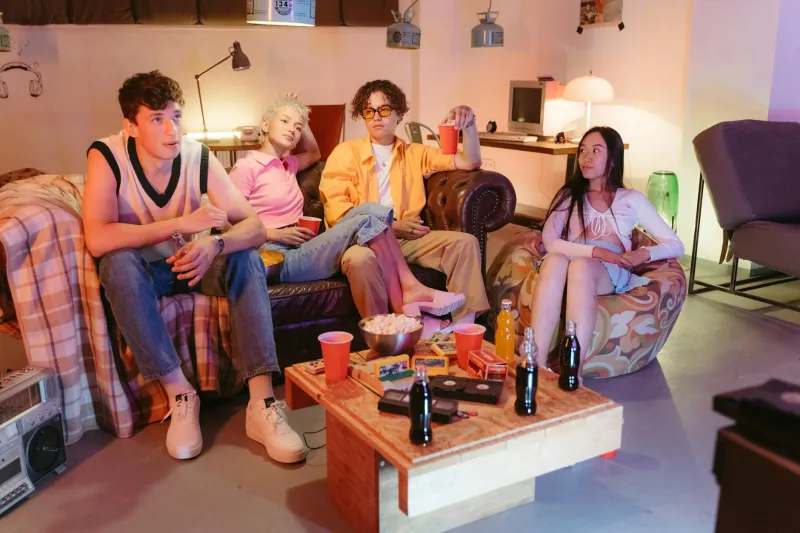
The enduring appeal of shows like "Stranger Things," which prominently features a recreation of 1980s soda fountain culture, suggests that Americans retain a deep nostalgia for the kind of community connection these spaces provided.
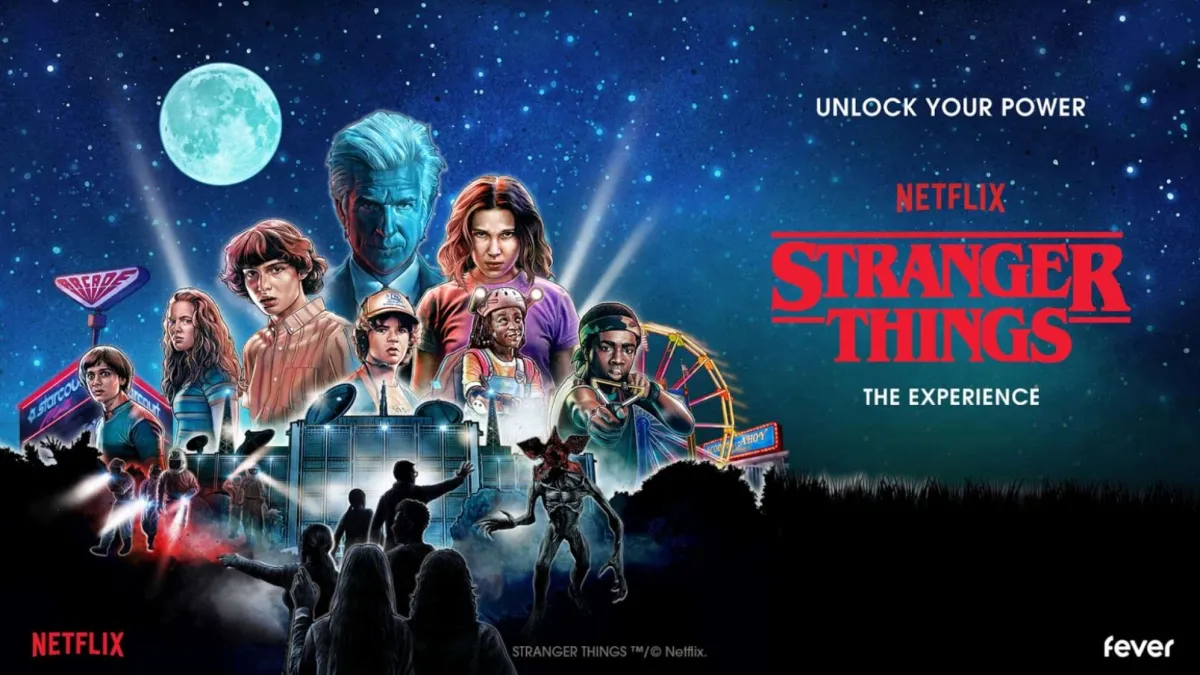 Photo: Stranger Things, via www.syfy.com
Modern attempts to recreate fountain culture—from retro diners to "third place" coffee shops—often feel forced because they're trying to manufacture something that once emerged naturally from the rhythm of daily life.
The soda fountain worked because it was woven into the fabric of necessary activities. People didn't go there specifically to socialize; they went there for practical reasons and discovered community as a bonus.
The Last Fountain
A few authentic soda fountains still operate in America, mostly in small towns that have preserved their original drugstores or in museums that maintain them as historical artifacts. Visiting one today feels like stepping into a time machine—not just because of the vintage equipment, but because of the different social rhythm they encourage.
These surviving fountains remind us that community connection once came standard with everyday activities, rather than requiring special effort or expensive admission. They represent a time when belonging was as simple as claiming a stool and ordering a Coke, when democracy tasted like vanilla and looked like neighbors talking across a marble counter.
In our age of digital connection and isolated consumption, the humble soda fountain stands as a reminder that the most meaningful social networks might be the ones that require you to leave your house, sit next to a stranger, and share the simple pleasure of something sweet and cold.