Every Town Used to Be a Surprise: The America That Existed Before the Chain Store Took Over
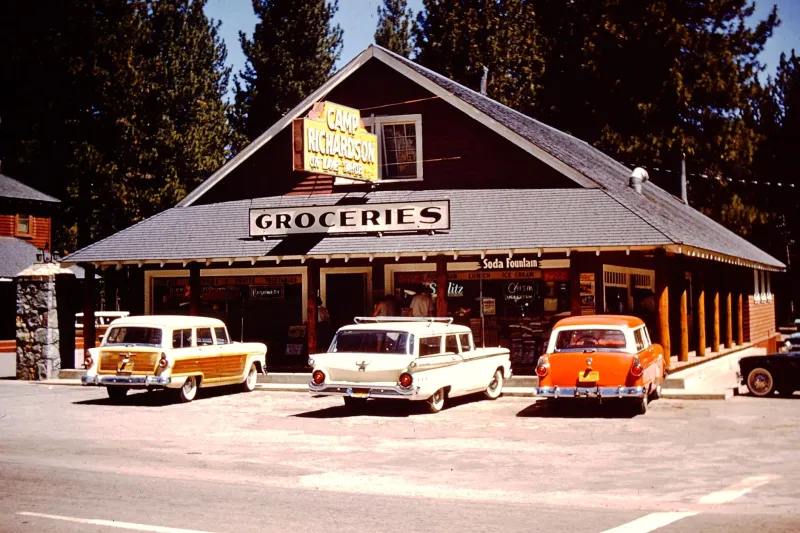
There was a time when pulling off the highway into an unfamiliar American town meant genuinely not knowing what you'd find. No golden arches on the horizon, no familiar logo glowing above a parking lot — just a main street full of names you'd never heard before and food you couldn't quite predict. That America is mostly gone now, replaced by a landscape so uniform you could close your eyes, spin a globe, and land somewhere that looks almost exactly like where you started.
It's easy to forget how recently that transformation happened — and how completely.
The Road Before the Formula
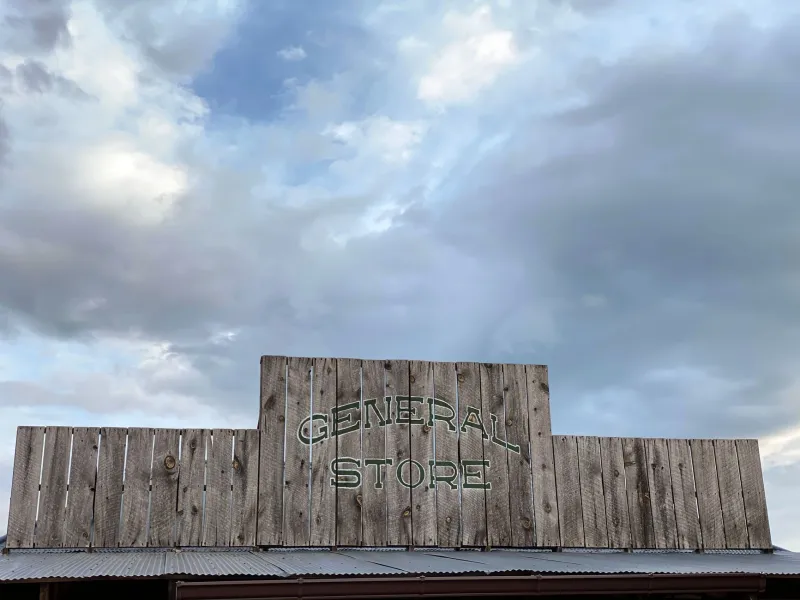
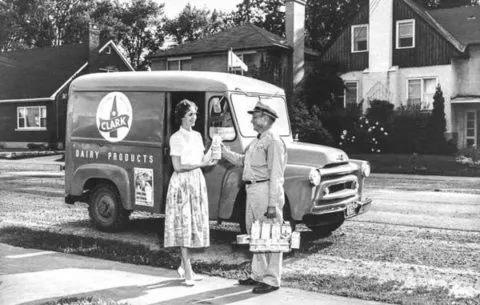
In the 1940s and 1950s, a cross-country road trip was an exercise in genuine discovery. The traveler rolling into a small Ohio town or a dusty Texas crossroads had no app to consult, no review platform to pre-screen, and no reassuring corporate logo to signal that dinner would taste exactly like it did back home. What they had was a main street — and whatever the locals had decided to build on it.
That might mean a diner run by a Greek immigrant family that had been feeding the county since 1931, a hardware store where the owner had personally stocked every shelf based on what his customers actually needed, or a motor court with hand-painted signs and rooms that smelled faintly of cedar and someone else's history. Every stop was a small act of trust — and occasionally, a small act of faith.
The food alone told you where you were. A roadside café in Louisiana tasted nothing like one in Montana. A sandwich in a Philadelphia lunch counter bore no resemblance to one in New Mexico. Regional cooking wasn't a marketing angle back then. It was simply what people knew how to make, passed down through families and neighborhoods, shaped by local ingredients and local tradition. You ate where you were, not where you'd come from.
When the Formula Arrived
The franchise model didn't appear overnight. It crept in gradually, beginning in earnest in the postwar years when American car culture exploded and the interstate highway system started stitching the country together with smooth new asphalt. Suddenly, mobility was mass-market. Millions of families were driving farther and more frequently than any previous generation, and with that mobility came a new kind of consumer anxiety: what if the food is bad? What if the motel is dirty? What if we don't know anyone here?
The franchise answered that anxiety with a promise: it will be the same. Every time. Everywhere.
Ray Kroc understood this when he began expanding McDonald's in the mid-1950s. So did Howard Johnson, whose string of orange-roofed motor lodges became a kind of psychological security blanket for American families navigating unfamiliar territory. The Holiday Inn, founded in 1952, built its entire brand identity around the idea that a traveler in Memphis could expect exactly the same experience as one in Portland. Consistency wasn't just a feature — it was the product.
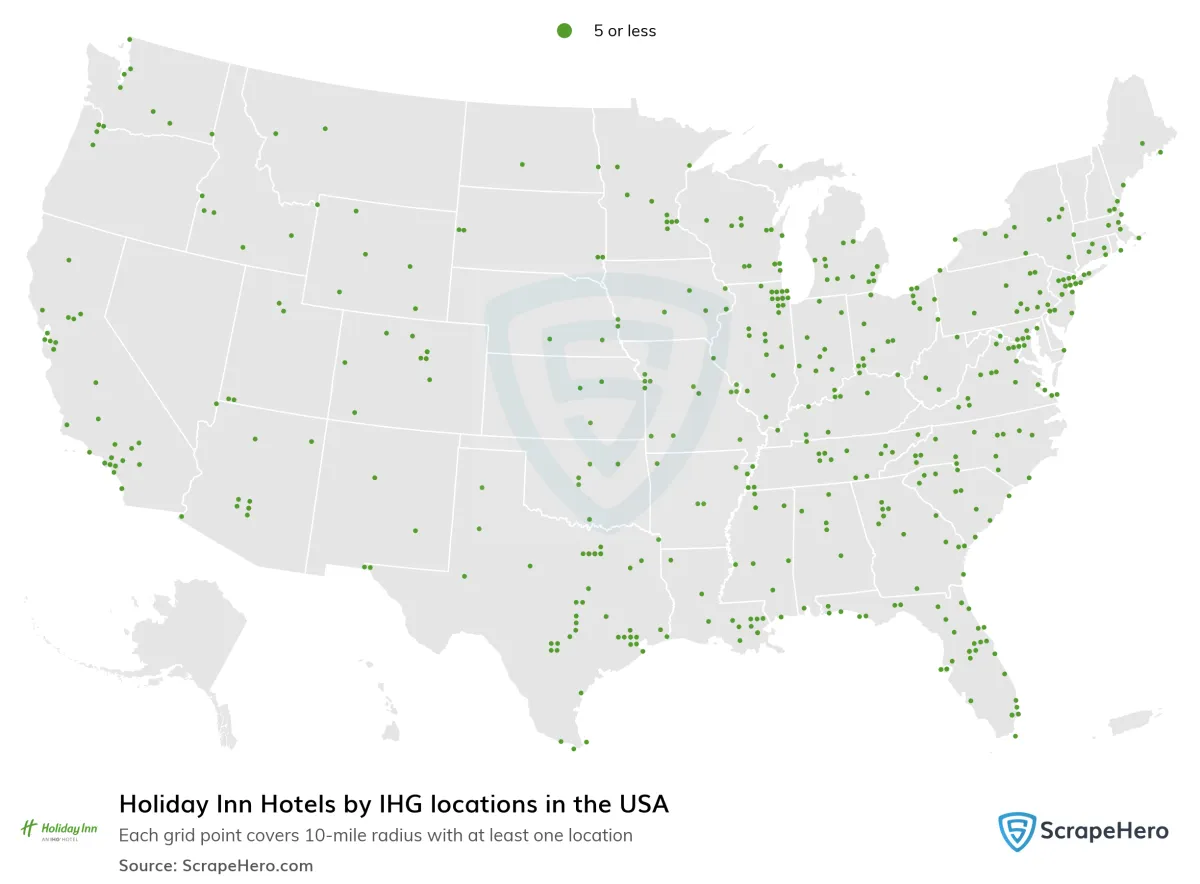 Photo: Holiday Inn, via www.scrapehero.com
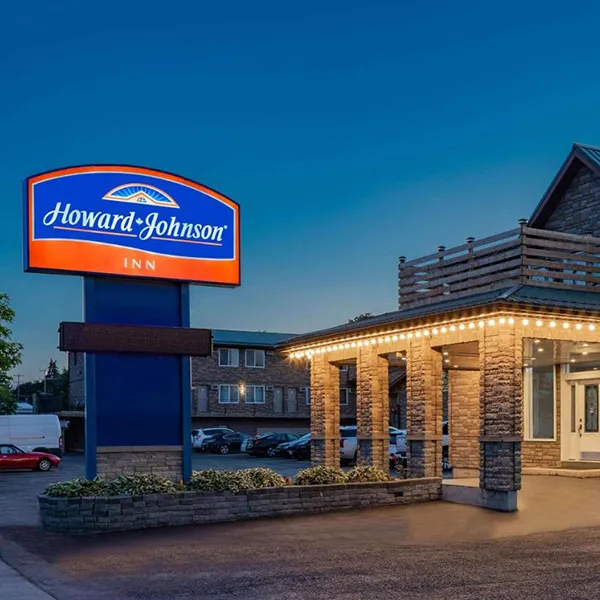 Photo: Howard Johnson, via www.1000islandstourism.com
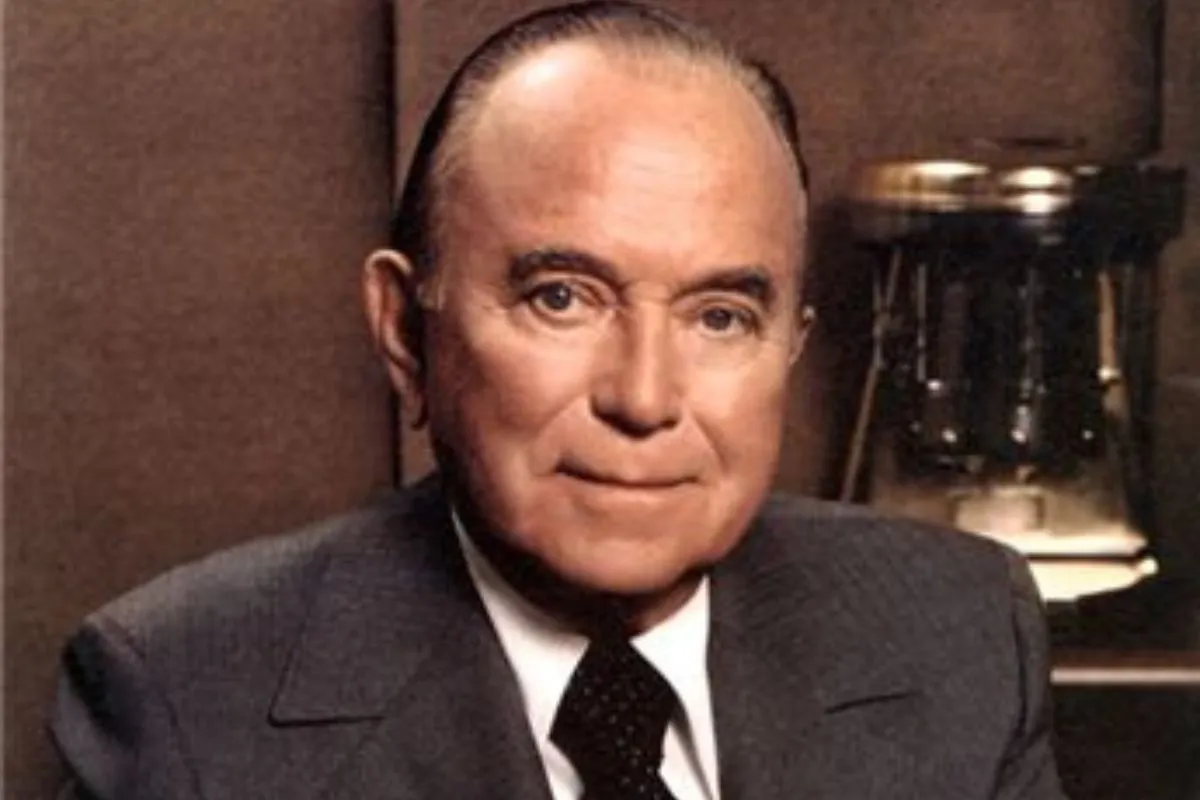 Photo: Ray Kroc, via www.elcomercio.com
And Americans, by and large, bought it enthusiastically.
What the Sameness Cost
By the 1980s and 1990s, the transformation was accelerating faster than most people noticed in real time. Strip malls began replacing downtown blocks. Regional grocery chains folded into national conglomerates. The local hardware store gave way to the big-box retailer. Main streets that had once housed a dozen distinct, owner-operated businesses slowly hollowed out, their storefronts replaced by the same rotating cast of national chains that appeared in every other zip code in the country.
The economic consequences are well documented. Locally-owned businesses tend to recirculate a larger share of their revenue within the community. When a dollar spent at a local diner cycles back through the local economy — paying a local supplier, a local employee, a local landlord — it does more community-building work than the same dollar spent at a chain whose profits route back to a corporate headquarters in another state entirely.
But there's a harder-to-quantify loss sitting alongside the economic one. When every town looks the same, the act of traveling somewhere loses a layer of meaning. The whole point of being somewhere else used to be that it was genuinely different — the food, the people, the architecture, the pace. Today, a traveler can drive through four states and eat the same meal at the same chain restaurant each night, sleep in rooms that are functionally identical, and fill their tank at the same gas station brand they use at home. The miles accumulate. The sense of having gone anywhere particular does not.
The Counter-Current
To be fair, something is pushing back. The last decade has seen a genuine revival of interest in local, independent businesses — farmers' markets, craft breweries, independent bookstores, farm-to-table restaurants. Younger consumers in particular have shown a real appetite for the kind of singular, place-specific experience that franchise culture erased. The word "authentic" has become so overused in marketing copy that it's nearly lost its meaning, but the appetite it's trying to describe is real.
Some small towns have done remarkable work rebuilding distinctive main streets after decades of chain-driven decline. Others are still hollowed out, their downtowns a monument to what was lost.
The Bargain We Made
None of this is to say that the franchise era was simply a mistake. Consistency and reliability have genuine value, especially for travelers on tight budgets or tight schedules who can't afford a bad meal or a questionable motel room. The formula delivered on its promise. It just delivered the same thing, over and over, until the promise itself became the problem.
What mid-century America had — and what's genuinely difficult to recover once it's gone — was the texture of difference. The sense that the next town over might surprise you. That the woman behind the lunch counter might make something you'd never tasted before and would spend years trying to recreate. That a place could have a personality that belonged only to itself.
We traded a lot of that for the comfort of knowing exactly what we were getting. Whether that was a good deal probably depends on how much you value surprises.