The 4 A.M. Kitchen: The Invisible Labor That Kept Mid-Century America Fed
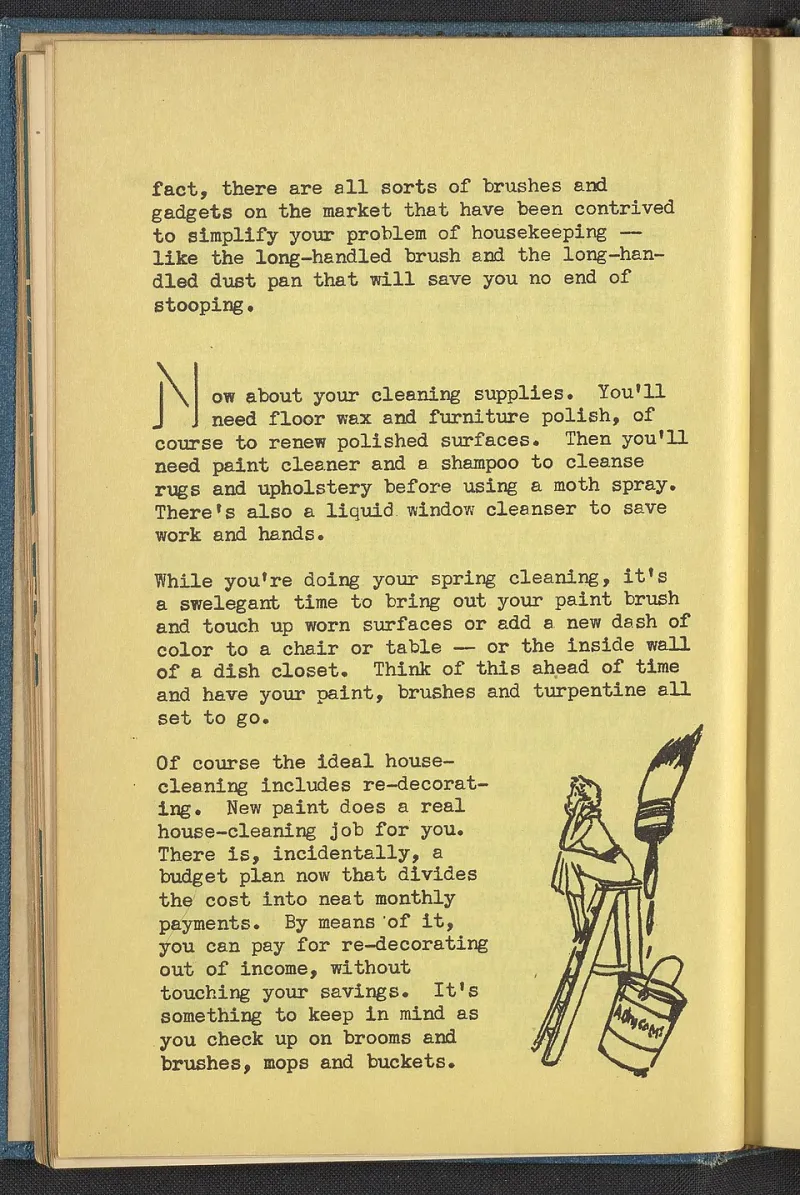
Photo: National Paint, Varnish and Lacquer Association, Inc, Public domain, via Wikimedia Commons
Long before the rest of the household stirred, the American housewife of the 1940s was already an hour deep into her workday. No meal kits, no frozen dinners, no microwave — just raw ingredients, cast iron, and an unwritten job description that never officially ended. The sheer physical scale of what it took to run a pre-modern American household has been so thoroughly absorbed by industry and technology that most people today have no real frame of reference for it.
We talk a lot about how work has changed. We talk less about the enormous category of work that simply disappeared — not because it became unnecessary, but because machines, factories, and supply chains quietly took it over.
Before the Sun Came Up
Picture a Tuesday morning in 1943. A farmhouse outside Des Moines, or a row house in Pittsburgh, or a small rental in suburban New Jersey — it doesn't matter much. The routine was remarkably consistent across geographies and income levels, because the constraints were the same everywhere.
 Photo: Des Moines, via i.pinimg.com
The day started early. Bread dough that had been set the night before needed to be punched down and shaped before the oven was fired up. If the family was having biscuits instead, the lard had to be cut into the flour by hand — a process that took time and produced results entirely dependent on the cook's feel for the dough. Coffee was ground fresh. Oatmeal was the steel-cut variety that required actual simmering, not the instant kind that dissolves in two minutes in a cup. Eggs came from the backyard coop and needed to be collected before breakfast could begin.
This was all before 7 a.m. This was just breakfast.
The Full Weight of the Day
After the family left for school and work, the real labor began. Monday was universally understood to be wash day — and washing in the pre-automatic era was physical work of a kind that's genuinely hard to convey in the abstract. Water was heated on the stove. Clothes were scrubbed on a washboard or fed through a hand-cranked wringer. Heavy items — overalls, bedsheets, wool coats — were wrung out by hand and carried to the line in baskets that could weigh thirty pounds or more when wet. In winter, sheets sometimes froze stiff before they dried.
Tuesday was ironing day. Not the quick pass-over-a-dress-shirt variety of ironing — everything got ironed. Sheets. Pillowcases. Undergarments. Dish towels. The iron itself was heated on the stovetop and needed to be reheated repeatedly throughout the session.
Wednesday might bring baking — not as a hobby or a weekend project, but as a necessity. A family of five went through bread at a rate that made weekly baking a minimum requirement. Pies were made from scratch because there was no other way to make a pie. Canning season, which ran from late summer into fall, added an entirely separate category of labor: sterilizing jars, preparing produce, processing batches in boiling water baths, labeling, and storing enough preserved food to carry the family through winter.
And dinner — dinner was assembled from raw materials every single night. Stock was made from bones and vegetable scraps, simmered for hours. Soups were built from that stock. Roasts required basting. Bread was baked fresh because day-old bread was already going stale and there was no preservative-laden commercial loaf to fall back on.
The Arithmetic of Invisible Hours
A 1929 study by the U.S. Bureau of Home Economics estimated that the average American housewife worked approximately 52 hours per week on household tasks. By 1965, despite the widespread adoption of washing machines, refrigerators, and electric stoves, that number had barely budged — largely because rising standards of cleanliness and the expansion of what counted as proper home management filled the hours that appliances freed up.
What's striking is how little of this labor was ever formally counted. It didn't appear in GDP figures. It wasn't covered by Social Security. It generated no paycheck and accrued no pension. It was simply expected — the invisible infrastructure beneath every working household in America.
How Industry Absorbed the Kitchen
The transformation happened in waves. Sliced commercial bread arrived in 1928 and eliminated one of the most time-consuming weekly tasks almost overnight. Canned goods had been available since the Civil War era, but their quality and variety improved dramatically through the mid-20th century. Frozen foods, pioneered by Clarence Birdseye in the 1920s and made practical by the spread of home freezers in the postwar years, began absorbing the labor of vegetable preparation and preservation.
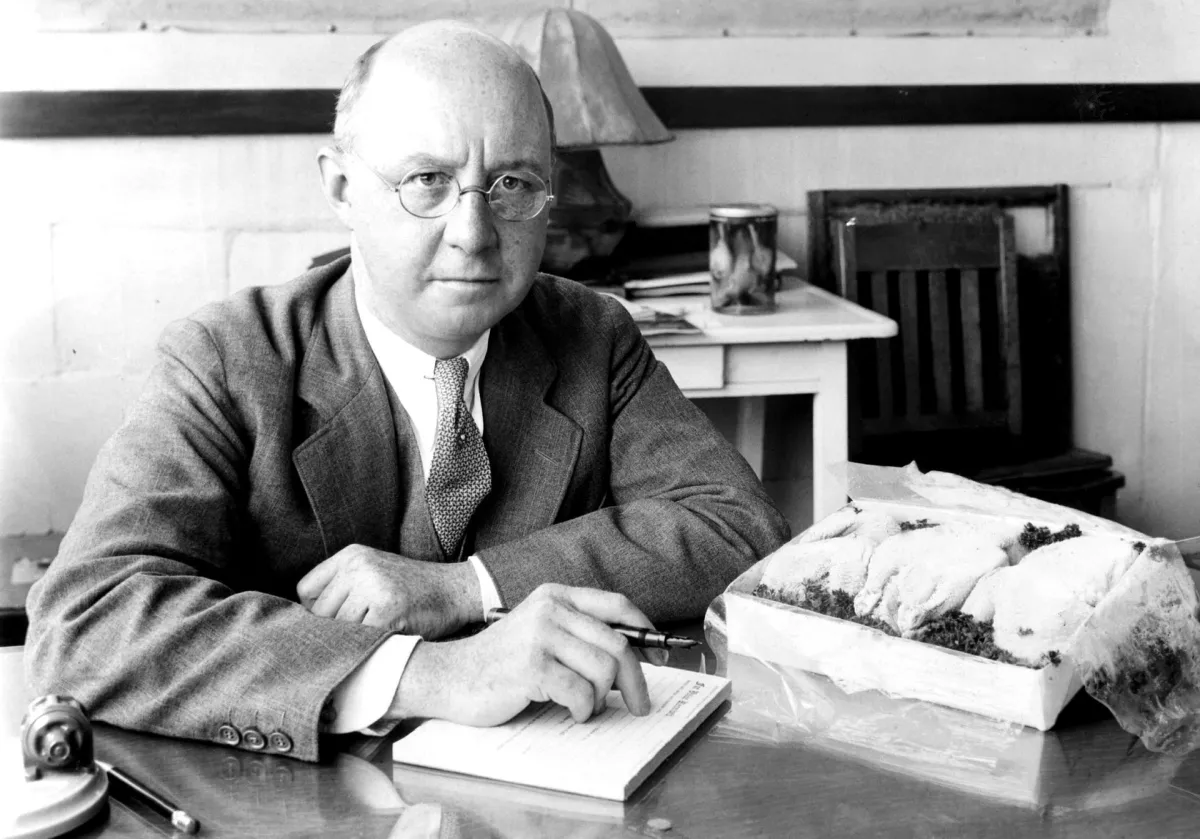 Photo: Clarence Birdseye, via assets.editorial.aetnd.com
By the time the TV dinner landed on American tables in 1953, the direction of travel was unmistakable. The kitchen was being industrialized, one task at a time. The hours that had once gone into making stock were replaced by a can of Campbell's. The afternoon spent rolling pie crust was replaced by a refrigerated Pillsbury shell. The bread that had risen overnight in a ceramic bowl became a plastic-wrapped loaf from the Wonder Bread factory.
Each substitution was individually small. Collectively, they represented the absorption of an enormous quantity of skilled domestic labor into the industrial economy — where it was performed more efficiently, at scale, and for profit.
What We Stopped Knowing How to Do
The practical skills that mid-century housewives carried as basic competencies — how to render lard, how to tell when bread dough had proofed correctly, how to put up a season's worth of tomatoes, how to make a proper roux — have become, within two or three generations, the specialized knowledge of hobbyists and food enthusiasts. They show up now in weekend cooking classes and artisan bakeries and YouTube channels with millions of subscribers, which tells you something about how thoroughly they've been extracted from ordinary daily life.
This isn't a lament, exactly. The liberation of women from a 52-hour unpaid workweek was a genuine social good, and the industrialization of food production made calories more accessible and more affordable across the income spectrum. The convenience economy solved real problems.
But it's worth pausing to register the scale of what changed — and how quietly it happened. An entire category of skilled, demanding, daily labor that once defined the rhythms of American domestic life simply... dissolved. Absorbed into factories and supply chains and restaurant kitchens, leaving behind a household routine that would be almost unrecognizable to the woman who was already an hour into her workday before the sun came up.