Epoch Drift Home

Category

Technology

22 articles


Read the Manual or Stay Confused: The Lost Era of Products That Made You Work for It

Read the Manual or Stay Confused: The Lost Era of Products That Made You Work for It

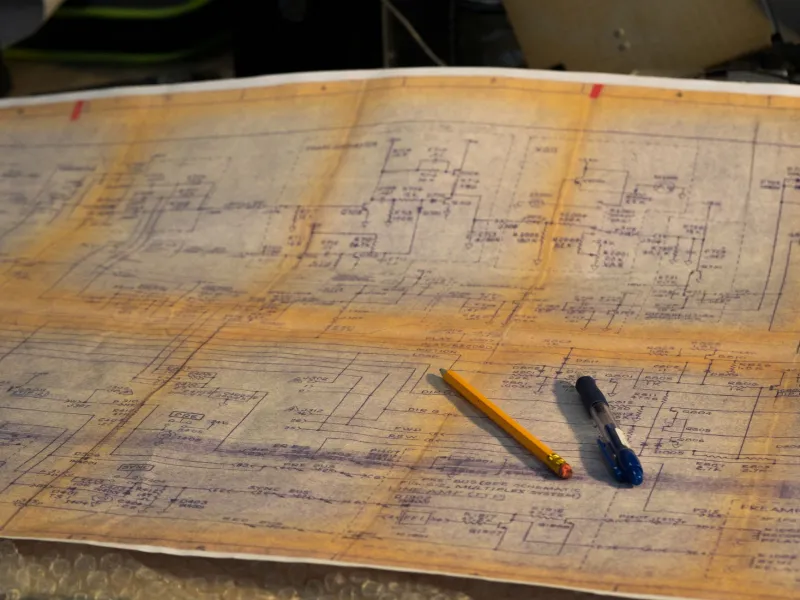
Consumer products in the 1960s and 70s didn't apologize for being complicated. They came with thick manuals, cryptic diagrams, and the quiet expectation that you'd figure it out. That friction turned ordinary owners into people who genuinely understood what they owned — and something real was lost when we designed it all away.

When Doctors Performed for an Audience: The Strange History of Medicine as Public Spectacle

When Doctors Performed for an Audience: The Strange History of Medicine as Public Spectacle

For centuries, surgery in America was something people watched. Medical amphitheaters packed students, physicians, and sometimes curious members of the public into tiered galleries above the operating table. Today, that world is almost unrecognizable — and the story of how it disappeared says a lot about how we think about expertise, trust, and the human body.

The Ledger Book That Never Got Hacked: Running a Business When Paper Was the Only Cloud

The Ledger Book That Never Got Hacked: Running a Business When Paper Was the Only Cloud

Before cloud storage, before cybersecurity consultants, before data breaches made the evening news, small business owners kept their books in a ledger and their secrets in a filing cabinet. It was slower, simpler, and — in some ways — a whole lot safer. Here's what that world looked like, and what vanished when the servers arrived.

The Man With the Soldering Iron: When Fixing Things Was a Way of Life

The Man With the Soldering Iron: When Fixing Things Was a Way of Life

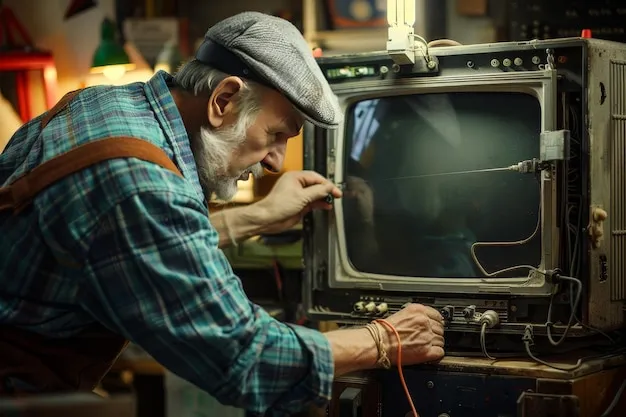
For most of the twentieth century, a broken television or a busted washing machine wasn't a shopping trip — it was a service call. Skilled repairmen built entire careers visiting American homes with toolkits and expertise. Then manufacturing economics flipped the script, and the fix-it culture quietly disappeared.

Eight Families, One Line: The Telephone System That Made Privacy a Small-Town Luxury

Eight Families, One Line: The Telephone System That Made Privacy a Small-Town Luxury

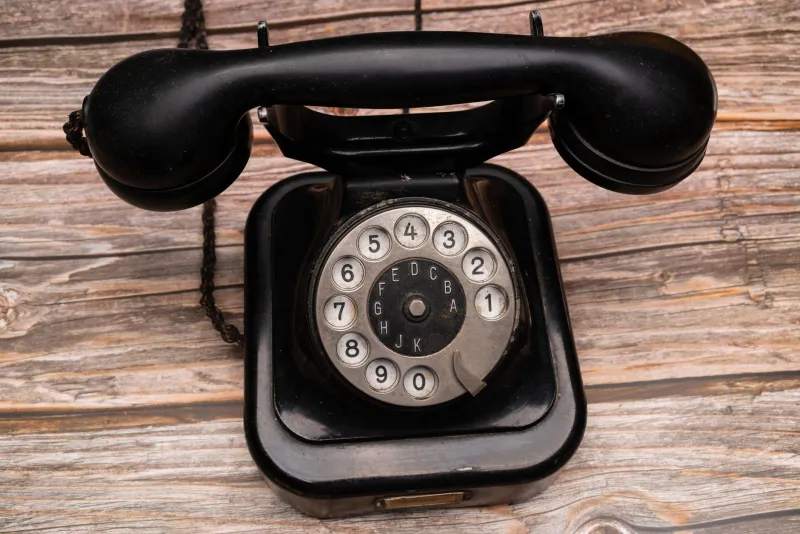
For decades, picking up the telephone in rural and small-town America meant potentially interrupting someone else's conversation — or having yours interrupted in return. The party line was the connective tissue of mid-century community life, a shared communication channel where information traveled fast, privacy was negotiable, and everyone was one curious neighbor away from becoming the week's main topic. Sound familiar?

The Gold Watch Generation: When One Job Meant One Life

The Gold Watch Generation: When One Job Meant One Life

For decades, Americans joined a company at 22 and retired with a pension at 65, never once updating their résumé. This lifetime employment culture shaped everything from neighborhoods to identities—and it's almost completely vanished.

Under the Hood With Eddie: When Car Trouble Meant a Conversation, Not a Computer

Under the Hood With Eddie: When Car Trouble Meant a Conversation, Not a Computer

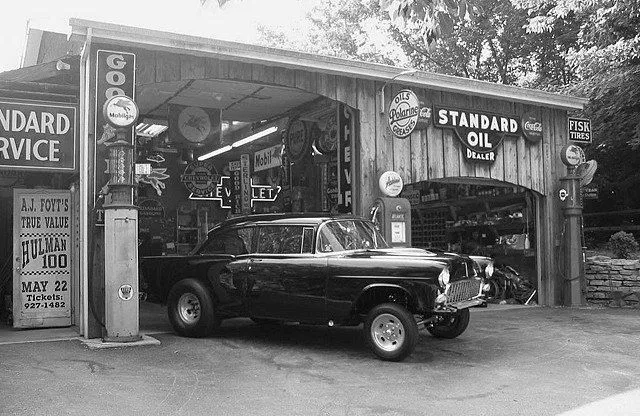
There was a time when your mechanic could diagnose engine trouble by the sound of your startup and fix it with tools that fit in a toolbox. Today's cars are technological marvels that require dealer software and weeks-long appointments, effectively locking car owners out of understanding what they drive.

The One Screen That Made Every Family Choose Together

The One Screen That Made Every Family Choose Together

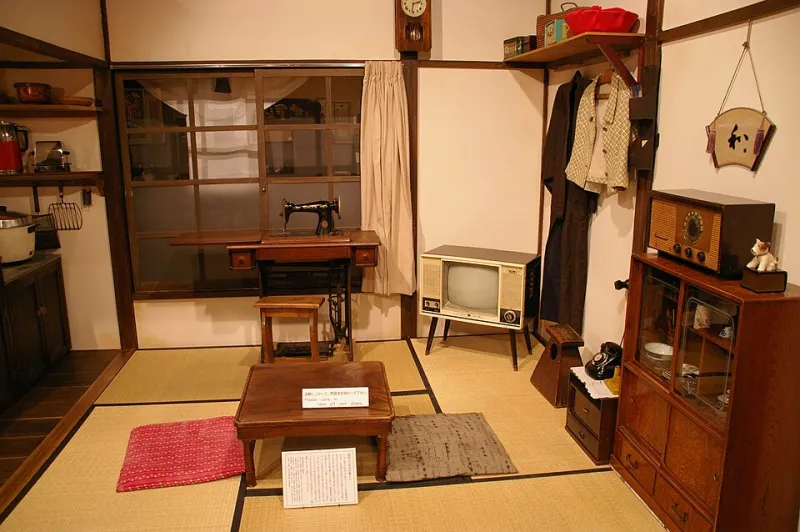
For decades, American families gathered around a single television set, negotiating what to watch and experiencing entertainment as a collective activity. The rise of personal devices and streaming algorithms has transformed how we consume media, but it's also fundamentally changed how families spend time together.

When Calling Your Mom Long Distance Was Something You Saved Up For

When Calling Your Mom Long Distance Was Something You Saved Up For

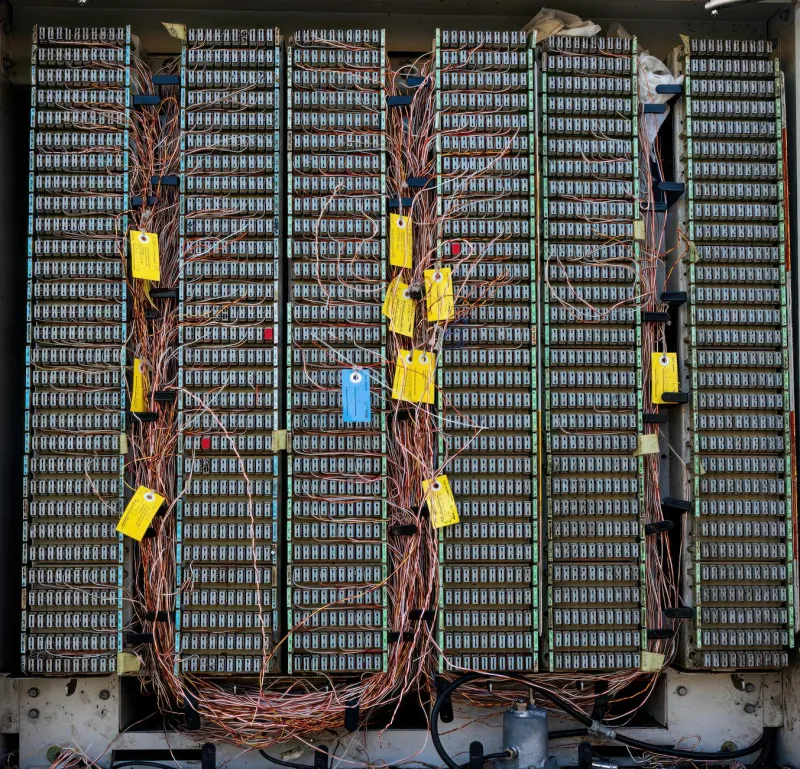
A postcard once cost a penny. A long-distance phone call in 1975 could run more than what some people made in an hour. Today you can video call anyone on the planet for free from your pocket. The story of how Americans stayed in touch — and what it actually cost them — is a journey through one of the most dramatic reversals in modern life.