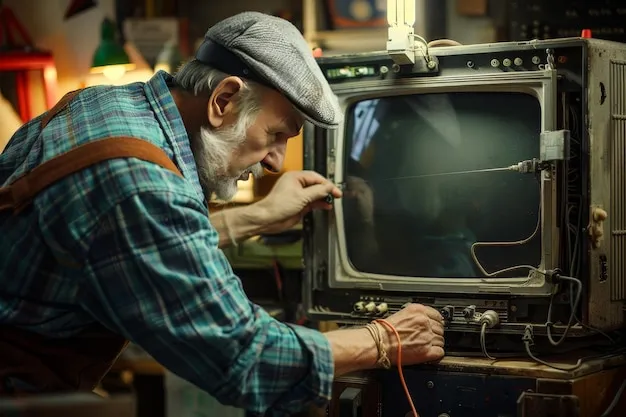
Under the Hood With Eddie: When Car Trouble Meant a Conversation, Not a Computer
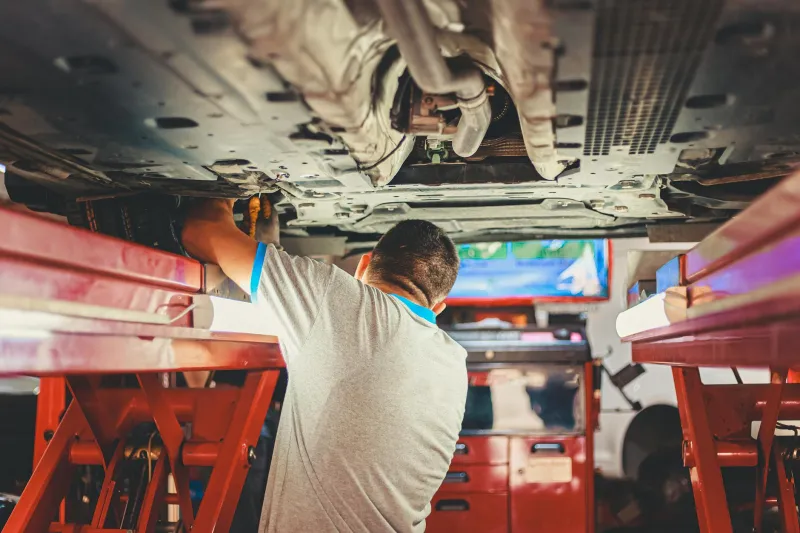
The Man Who Spoke Engine
Eddie Martinez could tell you what was wrong with your car before you even turned off the engine. Twenty-three years running Martinez Auto Repair on the corner of Fifth and Main had taught him to read vehicles like other people read books. The slight knock in your engine, the way your transmission hesitated between second and third gear, the particular wheeze your brakes made when they needed attention—Eddie heard it all in the thirty seconds it took you to pull into his bay.
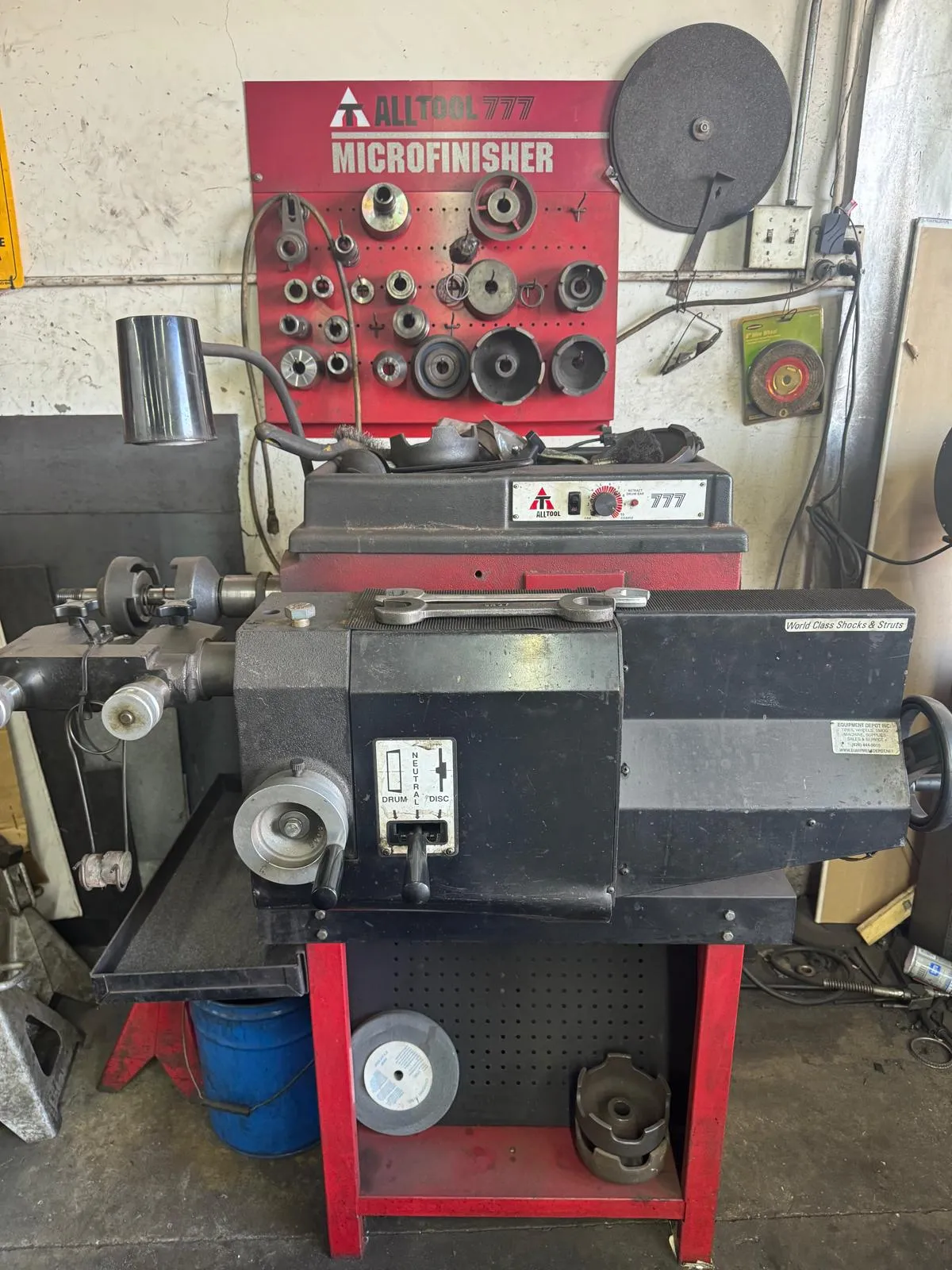 Photo: Martinez Auto Repair, via martinezandsonautorepair.com
 Photo: Eddie Martinez, via s3.perrotin.com
"Sounds like your timing belt's getting ready to give you trouble," he'd say, wiping his hands on a rag that had seen a thousand oil changes. "We can fix that this afternoon."
And he could. And he would.
This was automotive repair in America before cars became computers on wheels, before diagnostics required proprietary software, before fixing your own vehicle became virtually impossible for anyone without a computer science degree.
When Mechanics Were Translators, Not Technicians
Eddie's toolbox told the story of a simpler era: wrenches, screwdrivers, a timing light, maybe a compression gauge for the fancy jobs. These tools, combined with decades of experience, could diagnose and repair virtually any problem that rolled through his garage door. More importantly, Eddie could explain what was wrong in language that made sense to people who just wanted their car to start in the morning.
"Your carburetor's running rich," he'd explain, showing you the blackened spark plug. "See this buildup? That's from too much gas, not enough air. We'll clean this out, adjust the mixture, and you'll be running smooth again."
You didn't need to understand carburetors to grasp the basic concept: too much of one thing, not enough of another, easily fixed. The mechanical simplicity translated into conversational simplicity.
Today's automotive technician faces a different reality entirely. Modern vehicles contain more lines of computer code than the space shuttle, with dozens of interconnected systems that require specialized diagnostic equipment to interpret. The "Check Engine" light that strikes fear into every driver's heart can represent any of hundreds of potential issues, most of which can only be decoded by plugging the car into a computer that costs more than Eddie's entire shop was worth.
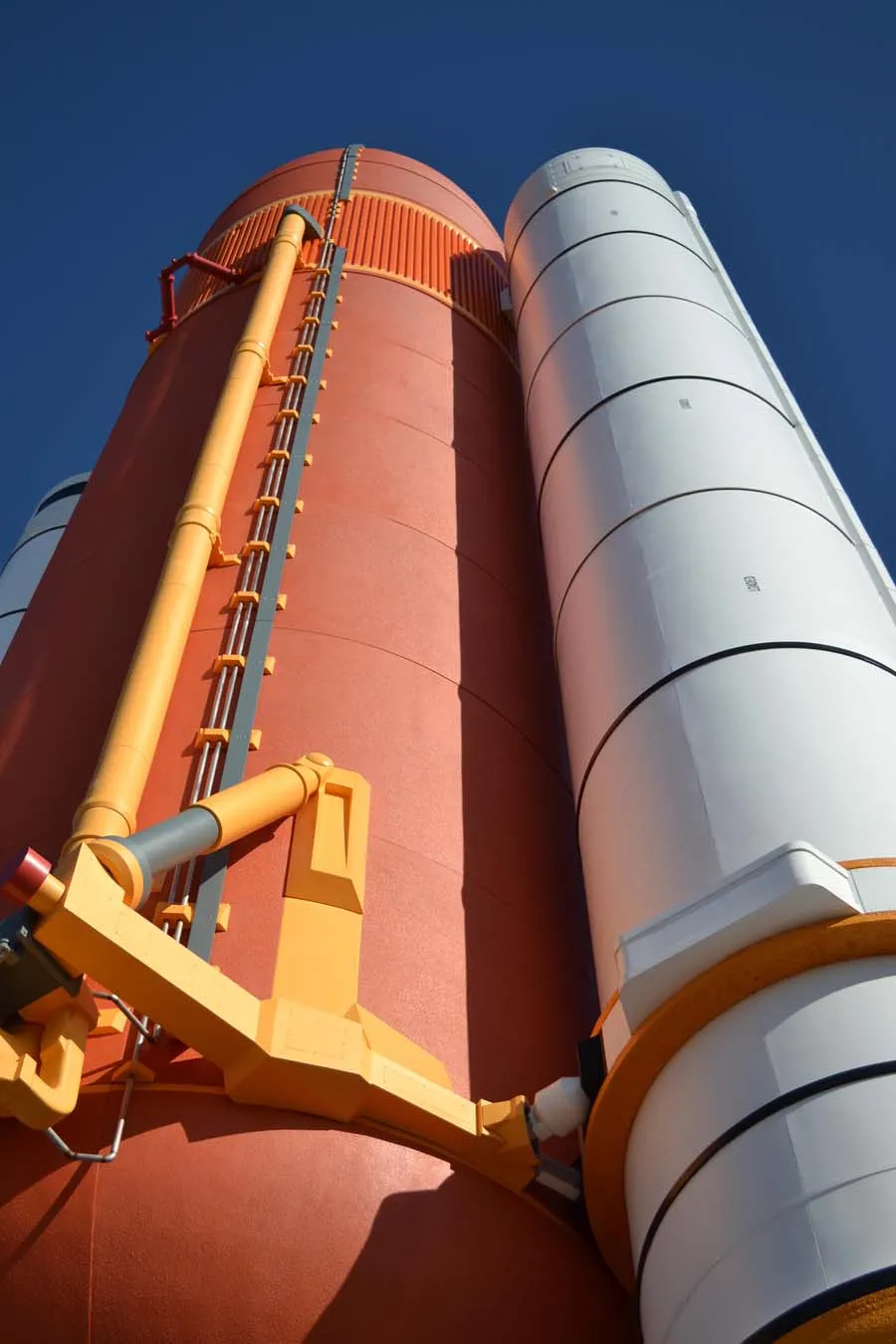 Photo: space shuttle, via www.britmodeller.com
The Appointment That Became an Ordeal
In Eddie's era, car repair operated on human time. You drove in when something felt wrong, Eddie listened to your engine for thirty seconds, and you either drove home fixed or left your car for a day or two while he ordered parts. The entire transaction was comprehensible: problem identified, solution explained, work completed, bill paid.
Contrast this with the modern automotive repair experience. Your car's computer detects an issue and illuminates a dashboard warning that tells you nothing useful. You call the dealership for an appointment and learn that the next available slot is three weeks away. When you finally arrive, a technician plugs your car into a diagnostic computer that spits out error codes requiring interpretation by someone who's been trained on that specific make, model, and year.
The repair itself might involve software updates, component reprogramming, or parts that must be ordered from the manufacturer and can only be installed by certified technicians using proprietary tools. What Eddie could fix in an afternoon now requires a multi-day process involving appointments, diagnostics, parts orders, and often multiple trips back to the shop.
When You Could Actually Own What You Owned
The philosophical shift runs deeper than mere convenience. In Eddie's era, buying a car meant owning it in the fullest sense of the word. You could modify it, repair it, understand it, and maintain it yourself if you chose to learn. The mechanical systems were complex but comprehensible; with enough patience and the right manual, a determined owner could tear down and rebuild an entire engine in their garage.
Modern vehicles have created a new form of ownership that resembles a long-term lease on functionality rather than possession of a machine. You own the physical car, but the software that runs it belongs to the manufacturer. The diagnostic tools required to service it are proprietary and restricted. The replacement parts often require programming that only authorized dealers can perform.
This shift has effectively transferred power from the individual to the institution. Where car owners once had the option to learn, tinker, and maintain, they now have the obligation to comply, schedule, and pay whatever the authorized repair network demands.
The Hidden Complexity Tax
Modern automotive technology has delivered remarkable improvements: better fuel efficiency, lower emissions, enhanced safety features, and reliability that would have seemed impossible in Eddie's era. Today's average car will run 200,000 miles with minimal maintenance, a feat that required significant mechanical knowledge and constant attention in previous decades.
But these improvements come with a hidden cost that extends beyond the higher price of repairs. We've created a system where understanding your vehicle is no longer possible for ordinary people, where routine maintenance requires specialist knowledge, and where the relationship between owner and machine has been mediated by proprietary technology and corporate gatekeepers.
The Relationship That Couldn't Scale
Eddie knew his customers' cars almost as well as they did. Mrs. Henderson's Buick had a quirky starter that required a specific technique. The Johnson family's pickup needed its oil changed every 3,000 miles instead of the recommended 5,000 because of the way they drove it. These weren't inefficiencies in Eddie's system—they were features of a repair relationship built on accumulated knowledge and personal accountability.
Modern automotive service, by necessity, treats every car as a data point rather than a relationship. The technician who services your vehicle today might never see it again. The diagnostic computer provides standardized solutions for standardized problems. There's no institutional memory of your car's particular quirks, no relationship that improves over time.
What We Gained in the Translation
The transformation of automotive repair isn't a simple story of loss. Modern vehicles are safer, more efficient, and more reliable than anything Eddie ever worked on. Computer-controlled systems optimize performance in ways that mechanical systems never could. Diagnostic computers can identify problems that might take even experienced mechanics hours to locate.
But in optimizing for performance and reliability, we've eliminated the possibility of understanding, relationship, and individual agency. We've created cars that work better but belong to us less completely.
The Price of Perfection
The next time your dashboard lights up with an incomprehensible warning symbol, remember Eddie Martinez listening to your engine with the focused attention of a doctor taking a pulse. We've gained technological sophistication at the cost of mechanical intimacy, efficiency at the expense of ownership, reliability in exchange for understanding.
Progress isn't always about what we build—sometimes it's about what we're willing to give up to get there.