Epoch Drift How far we've come — and how fast.

Epoch Drift

How far we've come — and how fast.


Latest Articles

When Your Word Was Your Bond: How America Learned to Stop Trusting and Start Lawyering
Culture

When Your Word Was Your Bond: How America Learned to Stop Trusting and Start Lawyering

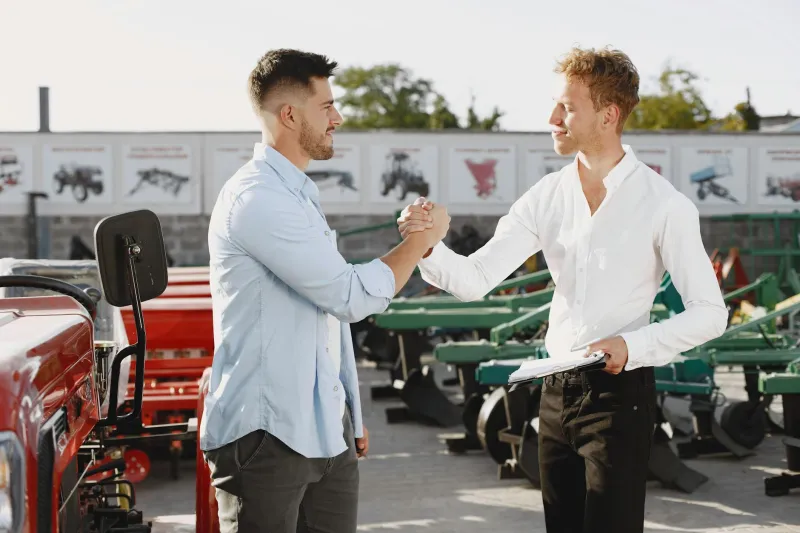
Just sixty years ago, most American business deals were sealed with nothing more than a handshake and a reputation to uphold. Today, buying a cup of coffee requires agreeing to terms longer than the Constitution.

The Car Lot Where Your Word Was Your Credit Score: How America's Drive-Home-Today Culture Vanished
Culture

The Car Lot Where Your Word Was Your Credit Score: How America's Drive-Home-Today Culture Vanished

Remember when buying a car meant a handshake, a test drive, and keys in your pocket by sunset? The American car lot used to run on trust and instant decisions, not credit algorithms and financing mazes.

When Your Local Banker Knew Your Dog's Name: How America Traded Relationship Lending for Algorithm Anxiety
Culture

When Your Local Banker Knew Your Dog's Name: How America Traded Relationship Lending for Algorithm Anxiety

Before credit scores ruled everything, Americans got loans based on who they were in their community, not what a computer calculated. The shift from handshake banking to algorithmic lending changed everything about how we borrow money.

When the Lunch Bell Actually Meant Something: How America's Sacred Midday Break Became a Desk-Side Afterthought
Culture

When the Lunch Bell Actually Meant Something: How America's Sacred Midday Break Became a Desk-Side Afterthought

For generations, the lunch hour was untouchable—a full sixty minutes away from work, often spent at proper restaurants with actual silverware. Today, most Americans wolf down sad desk salads while answering emails, and we've convinced ourselves this is progress.

Before Doppler Radar, Your Weekend Plans Depended on a Guy With a Barometer
Technology

Before Doppler Radar, Your Weekend Plans Depended on a Guy With a Barometer

For most of human history, predicting the weather was part art, part science, and mostly guesswork. Today's pinpoint forecasts would have seemed like magic to farmers who lost entire crops to surprise storms.

The Three Words That Used to End Everything: How We Turned Cancer's Death Sentence Into a To-Do List
Culture

The Three Words That Used to End Everything: How We Turned Cancer's Death Sentence Into a To-Do List

Fifty years ago, hearing "you have cancer" meant families gathered for final conversations and doctors spoke in euphemisms. Today, those same three words are more likely to trigger treatment schedules than funeral plans. Here's how we transformed medicine's most feared diagnosis.

Back When Your Word and a Firm Handshake Could Buy You a House
Culture

Back When Your Word and a Firm Handshake Could Buy You a House

In 1955, buying a home meant walking into your local bank, sitting down with someone who knew your family, and walking out with a mortgage based on little more than your reputation and steady paycheck. Today's buyers navigate credit scores, debt-to-income ratios, and paperwork that would have baffled their grandparents.

The Days When Getting Hurt Meant Getting Comfortable — How Emergency Medicine Rewrote Recovery
Technology

The Days When Getting Hurt Meant Getting Comfortable — How Emergency Medicine Rewrote Recovery

A broken arm once guaranteed months of immobility and uncertainty. Today's emergency rooms deliver precision care that would seem miraculous to patients from just decades ago. The transformation of trauma medicine has turned life-altering injuries into temporary inconveniences.

When Kids Traded Cardboard Gold: How Childhood Collectibles Became Wall Street Commodities
Culture

When Kids Traded Cardboard Gold: How Childhood Collectibles Became Wall Street Commodities

A generation ago, baseball cards were currency in school cafeterias and comic books were weekend entertainment. Today, they're graded investments stored in temperature-controlled vaults, bought and sold like stocks on digital marketplaces.

When Walking Into Any Office With a Handshake Could Land You a Career for Life
Culture

When Walking Into Any Office With a Handshake Could Land You a Career for Life

In 1970, a fresh high school graduate could stride into a local bank or factory and walk out with a job that included full benefits and a pension. Today's entry-level positions require degrees, internships, and often pay less than those same jobs did fifty years ago.

When Seeing a Doctor Meant Waiting Weeks—And Why That Changed Everything
Technology

When Seeing a Doctor Meant Waiting Weeks—And Why That Changed Everything

Three decades ago, Americans scheduled doctor visits like they planned vacations—weeks in advance, with backup plans if something went wrong. Today, you can video chat with a physician while standing in line at Starbucks.

When Saturday Morning Belonged to Everyone: The Slow Death of Appointment Television
Culture

When Saturday Morning Belonged to Everyone: The Slow Death of Appointment Television

There was a time when Saturday mornings meant something specific: a 7 AM wake-up call, a bowl of sugary cereal, and whatever cartoon the network had decided you'd watch. That synchronized ritual shaped an entire generation. Today's kids don't know what they're missing—or do they?

Culture

The Retirement Deal Your Parents Got—And Why You Probably Won't

Mid-century retirement was simple: you worked for one company, they promised you a pension, you retired at 65 and lived predictably ever after. That bargain has been quietly dismantled over 40 years. What replaced it demands something entirely different from workers—and nobody told you the rules had changed.

The Passport That Used to Be a Luxury: How Flying Overseas Became Ordinary
Travel

The Passport That Used to Be a Luxury: How Flying Overseas Became Ordinary

A generation ago, holding a passport meant you were part of an elite group who traveled internationally. Today, nearly 40% of Americans have one—and many don't even use it. The forces that transformed overseas travel from rare privilege to routine reality happened faster than most people realize.

Your Great-Grandmother's Grocery Store Stocked Fewer Items Than Your Local Gas Station
Culture

Your Great-Grandmother's Grocery Store Stocked Fewer Items Than Your Local Gas Station

Walk into an average American supermarket today and you'll navigate past roughly 30,000 individual products. In the 1950s, that same weekly errand involved choosing from about 3,000. The explosion of what ended up on those shelves reshaped not just how Americans shop, but what they eat, where their food comes from, and how they think about choice itself.

Hitting the Open Road Used to Mean Praying You'd Find Gas Before Dark
Travel

Hitting the Open Road Used to Mean Praying You'd Find Gas Before Dark

Before the Interstate Highway System and the rise of chain motels, a cross-country drive was less a vacation and more an expedition — one where finding fuel, food, and a safe bed for the night was never guaranteed. The 1956 Federal Aid Highway Act didn't just build roads; it completely reinvented what it meant to travel America by car.

One Summer Used to Pay for a Year of College. Here's Where That Deal Went.
Culture

One Summer Used to Pay for a Year of College. Here's Where That Deal Went.

In 1979, a student flipping burgers or bagging groceries all summer could walk into fall semester with tuition covered. Today, that same effort wouldn't cover a single month of fees at most public universities. The math didn't just get harder — it broke completely.

The Diseases That Terrified Every American Parent — And Why Most of Them Don't Anymore
Culture

The Diseases That Terrified Every American Parent — And Why Most of Them Don't Anymore

In the 1950s, summer meant polio season, and parents kept their kids away from public pools out of genuine fear. Infant mortality was a near-universal grief. Bacterial infections that are now cured with a single prescription were death sentences. What happened between then and now is one of the most remarkable — and underappreciated — stories in American life.

A Dollar Used to Feed a Family. Now It Barely Buys a Pepper.
Culture

A Dollar Used to Feed a Family. Now It Barely Buys a Pepper.

In 1955, a family of four could walk out of the grocery store with a full week's worth of food for under $20. Today, that same cart might set you back $300 — but the story behind those numbers is a lot more complicated than simple inflation.

The Shift Whistle That Never Blew: How Americans Finally Got the Right to Go Home
Technology

The Shift Whistle That Never Blew: How Americans Finally Got the Right to Go Home

Before 1940, there was no federal law telling your employer when enough was enough. Workers clocked 60, 70, even 80-hour weeks with no overtime, no weekends, and no safety net. The story of how that changed — and where we're headed next — is one of the most consequential in American history.