When Calling Your Mom Long Distance Was Something You Saved Up For
When Calling Your Mom Long Distance Was Something You Saved Up For
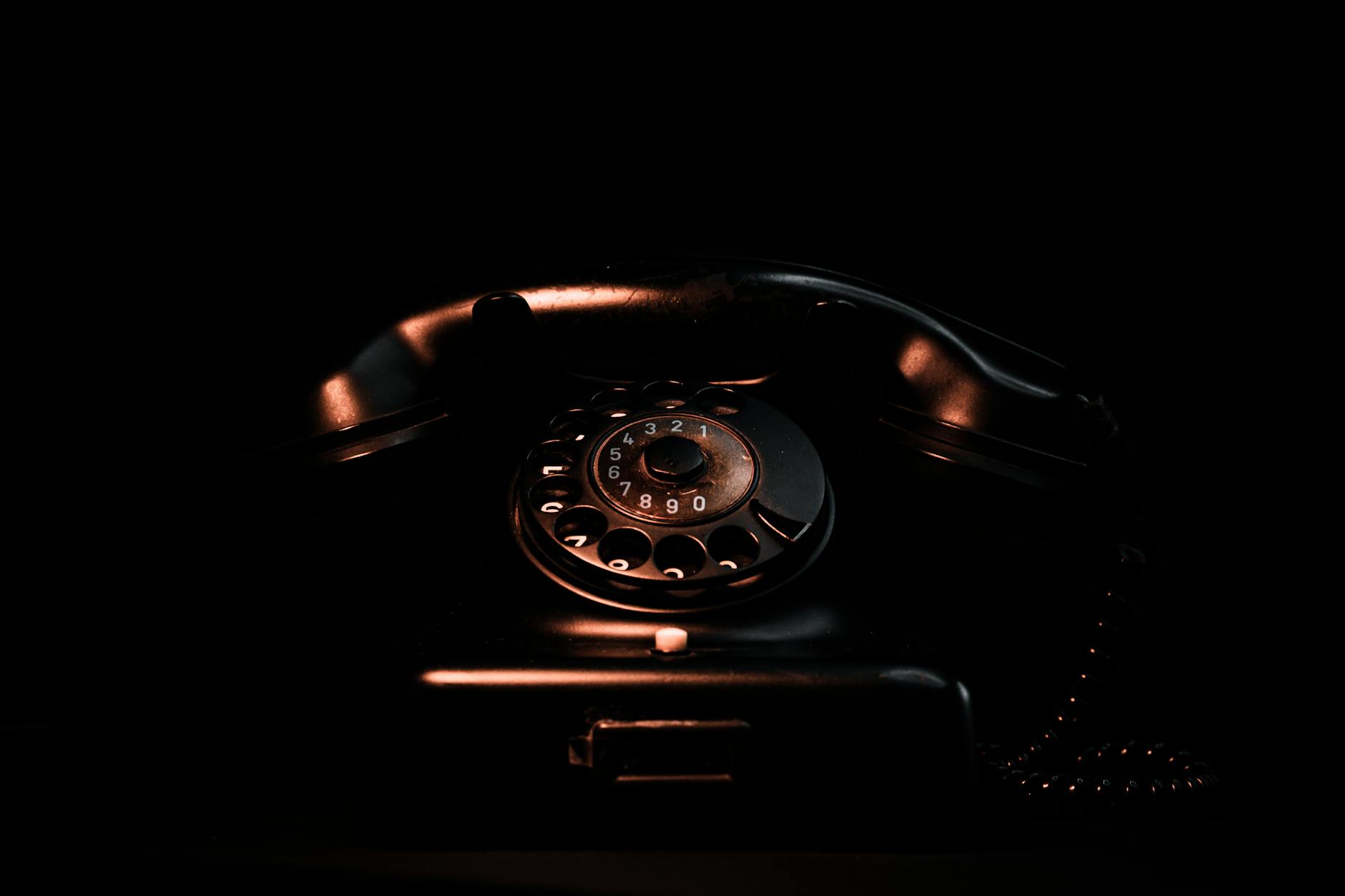
Somewhere in middle America in 1975, a college student is doing mental math before picking up the phone. She wants to call her parents back in Ohio. It's a Sunday — rates are lower on Sundays — but a ten-minute call is still going to cost her real money. Money she might not have. So she keeps it short. She says what needs to be said and hangs up before the meter runs much higher.
That's not a dramatic scene from a period film. That was just Tuesday — or Sunday, if you were being careful — for millions of Americans not very long ago.
Today, that same call is free. So is a video call. So is a group chat with her entire extended family scattered across four states. The cost of staying connected has dropped so far and so fast that it's genuinely difficult to explain to anyone under thirty what it used to feel like when communication had a price tag attached to every word.
The Penny Postcard Era
Let's start earlier, because the story is richer when you go back far enough.
In 1898, the US Postal Service introduced the penny postcard — a pre-stamped card you could buy for one cent and mail anywhere in the country. It was a small but meaningful piece of democratized communication. For the first time, sending a brief message to someone across the country didn't require writing a full letter, paying for an envelope, or navigating the cost of first-class postage.
By the early 20th century, postcards had become a genuine cultural phenomenon. Americans sent billions of them annually during what historians call the "Golden Age of Postcards" — roughly 1905 to 1915. Vacation greetings, holiday wishes, quick check-ins from traveling salesmen. A penny bought you a connection.
First-class letter postage in 1900 cost two cents — about 70 cents in today's dollars. Modest by modern standards, but in an era when many working Americans earned less than a dollar a day, even two cents per letter added up. People wrote when they had something worth the cost of saying.
The Long-Distance Tax
Telephone service spread through American homes gradually through the early 20th century, but for decades, the phone was primarily useful for local calls. Long-distance was a different proposition entirely — expensive, operator-assisted, and treated with a formality that today seems almost ceremonial.
By the 1950s, many families had a phone, but calling relatives in another state was an event. You'd sometimes alert the recipient by letter that a call was coming on a particular day, so they'd be home to receive it. The call itself might last ten or fifteen minutes — long enough to share real news, short enough to keep the bill manageable.
The numbers are striking when you translate them. In 1975, a ten-minute direct-dialed long-distance call from, say, Chicago to Los Angeles cost roughly $3.00 to $5.00 during peak hours — and AT&T had a near-monopoly, so there wasn't much shopping around. Adjusted for inflation, that's approximately $17 to $28 in today's money. For a ten-minute phone call.
Families developed strategies. Sunday evenings after 11 PM, when rates dropped. Three-minute calls that covered the essentials. Codes — one ring meant "I arrived safely, don't call back." Communication wasn't just an act of connection; it was a logistical puzzle with a budget attached.
The Answering Machine and the Fax: Expensive Upgrades
The answering machine, which became widely available to consumers in the late 1970s and mainstream through the 1980s, was genuinely transformative — and it's easy to forget how recently it arrived. Before that, if you called someone and they weren't home, the phone rang into an empty room. You called back later. You tried again. Coordinating schedules without voicemail required either luck or a lot of patience.
Early answering machines retailed for $50 to $200 in 1980s dollars — call it $150 to $600 today. They were appliances, not accessories. And the fax machine, which businesses and some households adopted through the late 1980s, cost several hundred dollars and required a dedicated phone line. Sending a document across the country instantly was a technological luxury.
Pager culture in the early 1990s added another layer — a way to signal urgency without the cost of a full call. Doctors had them. Then drug dealers. Then teenagers, who developed their own numeric shorthand (143 for "I love you"; 911 for "call me back immediately") to communicate entire emotional states through a string of digits because the device couldn't do anything else.
Every stage of the story involves people working around cost and limitation with creativity.
The Collapse of the Price Floor
The deregulation of AT&T's long-distance monopoly in 1984 started chipping away at prices. Competing carriers like MCI and Sprint brought rates down. By the mid-1990s, long-distance calls had become significantly cheaper, though still not free.
Then the internet arrived, and the economics of communication began to invert entirely.
Email, which spread into mainstream American use through the 1990s, made written communication effectively free. Instant messaging followed. Then came Skype in 2003, offering voice and video calls over the internet at a fraction of traditional phone costs — and eventually for free. By the time smartphones became ubiquitous in the early 2010s, the infrastructure for free global communication was already in place. It just needed a device in everyone's pocket.
Today, a teenager in rural Kansas can video call a friend in Tokyo without either family paying a cent beyond their existing data plan. WhatsApp, FaceTime, Google Meet — the tools for real-time connection across any distance are free, always available, and taken entirely for granted by anyone who grew up with them.
What We Lost When We Stopped Paying
There's a version of this story that's purely triumphant: communication costs collapsed, connection became universal, and the world got smaller and closer. All of that is true.
But there's a quieter observation worth making alongside it. When calling someone cost real money, the act of calling meant something. A long-distance phone call in 1965 was a signal — this matters enough to pay for. A letter written in 1920 was an investment of time, postage, and intention.
Now that communication is essentially free and frictionless, we send more of it than ever — and perhaps pay less attention to any individual piece of it. The group chat runs constantly. The texts stack up unanswered. The video call gets rescheduled three times because, well, we can always do it later. There's no cost to postponing.
The penny postcard era wasn't better because it was cheap. It was meaningful because even a penny represented a choice. Someone decided you were worth it.
We don't have to make that calculation anymore. Whether that's made us better at staying connected, or just more comfortable with the feeling of it, probably depends on the last time you actually picked up the phone and called.