The Corner Pharmacy Where Your Name Was Written in Prescription Bottles, Not Databases
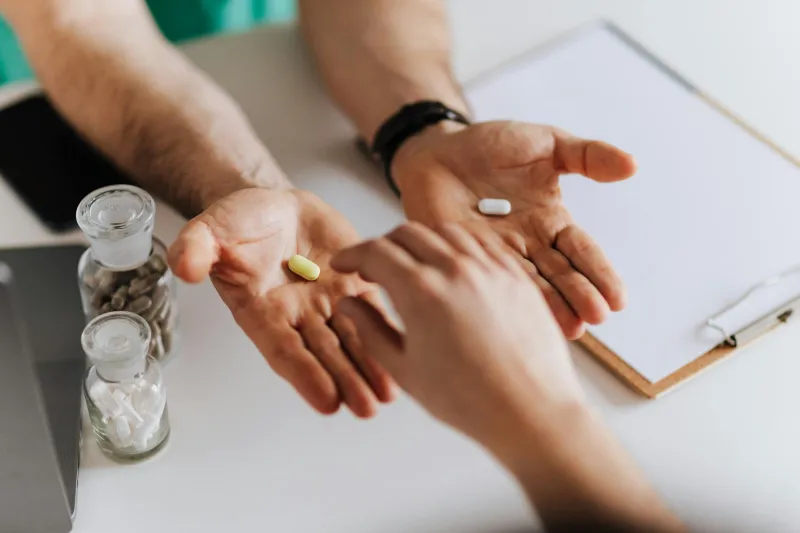
When Pills Came With Personal Care
Walk into any CVS or Walgreens today, and you'll find rows of automated dispensing machines humming behind bulletproof glass, digital screens displaying wait times, and pharmacists who might glance up from their computer screens long enough to ask for your date of birth. It's efficient, convenient, and utterly impersonal — a far cry from the corner drugstore where Mr. Peterson knew that your grandmother's arthritis flared up every October, and Mrs. Chen always reminded you to take your blood pressure medication with food.
For most of the 20th century, the local pharmacy was as much a healthcare hub as it was a retail establishment. The pharmacist wasn't just someone who counted pills — they were a trusted healthcare advisor, a family friend, and often the first person you'd consult when something felt wrong.
The Druggist Who Doubled as Doctor
In 1950s America, the neighborhood pharmacist occupied a unique position in the healthcare ecosystem. They knew your medical history not because it was stored in a computer system, but because they'd been filling your prescriptions for years. When Dr. Williams prescribed antibiotics for your recurring sinus infections, the pharmacist would remember and suggest you pick up some probiotics too. They'd notice patterns in your refills and gently ask if you'd been taking your heart medication consistently.
These weren't just business transactions — they were healthcare relationships. The pharmacist might call your house if you hadn't picked up a critical prescription, or suggest you speak with your doctor if they noticed concerning interactions between medications. They'd remember that your teenage daughter was allergic to penicillin, that your husband preferred liquid medications, and that you always needed child-proof caps because of the grandkids.
Many pharmacists even provided basic medical services. They'd take your blood pressure, give injections, and offer advice on everything from choosing the right thermometer to managing minor ailments. The pharmacy counter was often the first stop for worried parents with feverish children or elderly customers managing chronic conditions.
The Economics of Knowing Your Customers
This personal approach wasn't just good customer service — it was good business. Independent pharmacies thrived on relationships and reputation. Word-of-mouth recommendations mattered more than marketing budgets, and customer loyalty was built prescription by prescription, conversation by conversation.
The typical independent pharmacy served a neighborhood radius of just a few miles. The pharmacist lived in the community, shopped at the same grocery store, and sent their kids to the same schools as their customers. They had a vested interest in keeping their neighbors healthy and happy.
Pricing was often negotiable, especially for regular customers facing financial hardship. Many pharmacists would quietly extend credit to families going through tough times, or work out payment plans that corporate policies would never allow today.
The Chain Revolution Changes Everything
The transformation began in the 1960s and accelerated through the following decades. Chain pharmacies like Walgreens, CVS, and Rite Aid expanded rapidly, offering lower prices, longer hours, and one-stop shopping convenience. They could negotiate better deals with drug manufacturers, process insurance claims more efficiently, and standardize operations across thousands of locations.
By the 1990s, computerized prescription systems revolutionized pharmacy operations. Databases replaced memory, automated dispensing machines replaced hand-counting, and insurance networks replaced personal relationships with payment systems. The efficiency gains were undeniable — prescriptions could be filled faster, drug interactions could be automatically flagged, and patient records could be accessed from any location in the chain.
But something intangible was lost in translation. The pharmacist who once knew that Mrs. Johnson's arthritis medication made her nauseous was replaced by a computer alert about potential side effects. The personal reminder call became an automated text message. The familiar face behind the counter became a rotating staff of technicians and part-time pharmacists.
What We Gained and Lost
Today's pharmacy system delivers remarkable efficiency and safety benefits. Computerized systems catch dangerous drug interactions that even the most experienced pharmacist might miss. Insurance processing is streamlined, reducing out-of-pocket costs for many patients. Drive-through windows and 24-hour locations provide unprecedented convenience.
Modern pharmacies also offer services that independent drugstores rarely could: comprehensive vaccination programs, specialty medications for complex conditions, and integration with electronic health records that give healthcare providers a complete picture of a patient's medications.
Yet surveys consistently show that patients feel less connected to their healthcare providers than previous generations did. The pharmacist who once served as a bridge between doctor visits has become another healthcare transaction. Medication adherence — whether patients actually take their prescribed drugs as directed — remains a persistent problem that personal relationships once helped address.
The Human Element in Healthcare
The story of America's disappearing corner pharmacy reflects a broader trend in healthcare: the tension between efficiency and empathy, between standardization and personalization. We've gained remarkable medical capabilities and conveniences, but we've also lost something harder to quantify — the reassurance of being known, remembered, and cared for as an individual rather than an account number.
Some independent pharmacies still exist, often specializing in compounding medications or serving specific communities. A few chains have experimented with bringing back personal service elements, assigning patients to specific pharmacists or offering more comprehensive health consultations.
But for most Americans, the days of the pharmacist who knew your birthday, remembered your allergies, and called to check on your recovery are as distant as the soda fountains that once occupied the front of those same neighborhood drugstores. We've traded the druggist who knew our names for the efficiency of knowing our insurance numbers — and we're still calculating whether that was a fair exchange.