The Car Lot Where Your Word Was Your Credit Score: How America's Drive-Home-Today Culture Vanished
The Car Lot Where Your Word Was Your Credit Score: How America's Drive-Home-Today Culture Vanished
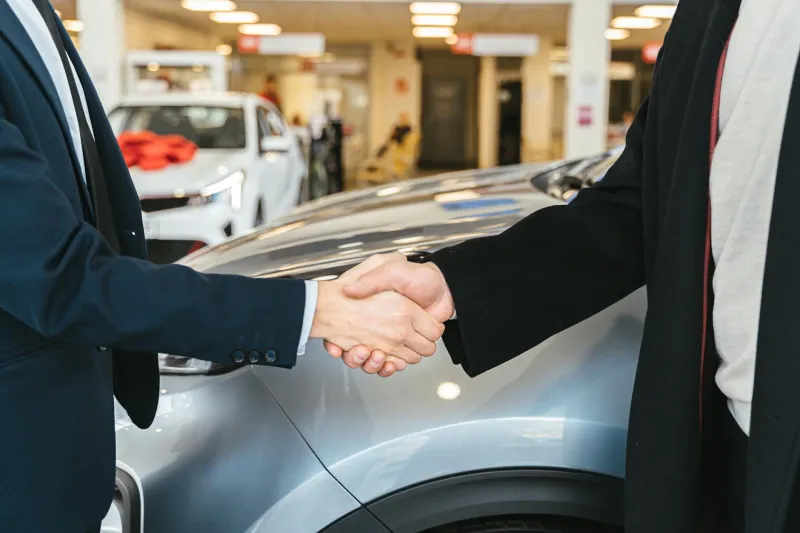
Picture this: It's 1975, and you walk onto Murphy's Used Cars on Main Street. The owner, Jim Murphy, knows your dad from the Rotary Club. You point to a powder-blue Impala, kick the tires, and ask about the price. Twenty minutes later, you're driving home with the windows down and the radio up, having sealed the deal with a handshake and a promise to pay $50 a month until it's yours.
That world feels like ancient history now, but it wasn't that long ago when buying a car was as simple as buying a washing machine — only bigger.
When Car Dealers Were Your Neighbors
For most of the 20th century, car dealerships operated like neighborhood businesses because, well, they were. The guy selling you a Buick probably lived three streets over and coached Little League on weekends. He knew your employment history not from a credit report, but from seeing you at the hardware store every Saturday morning.
This personal connection meant financing was often handled with a wink and a nod. If Murphy knew you were good for it, you were good for it. No FICO scores, no income verification, no three-day waiting periods for loan approval. The dealer would often carry the note himself, collecting payments like a landlord collecting rent.
The inventory was different too. Dealers kept maybe thirty cars on the lot, and what you saw was what you got. No special orders, no factory options packages, no waiting lists. You picked from what was there, and if you didn't like the color, you learned to love it or went somewhere else.
The Birth of the Modern Car-Buying Marathon
Somewhere between then and now, buying a car became an endurance sport. Today's car purchase involves more paperwork than buying a house used to require. Credit checks, income verification, insurance quotes, extended warranty presentations, gap coverage explanations, and financing options that read like calculus problems.
The average car-buying process now stretches across multiple visits over several weeks. First, there's the research phase — hours spent online comparing models, reading reviews, and calculating monthly payments. Then comes the dealership visit, which feels more like a job interview than a shopping trip. You'll meet with a salesperson, a finance manager, possibly a sales manager, and maybe even the mysterious "guy in the back" who has to approve your deal.
Even if you have cash in hand, the process has become bewildering. Dealers push financing because they make money on loan kickbacks. They present add-ons like paint protection and fabric guards with the urgency of a surgeon explaining life-saving procedures. What used to be a straightforward transaction now resembles a multi-level chess game where only one side knows the rules.
When Cars Became Computers on Wheels
Part of the complexity stems from the vehicles themselves. That 1975 Impala had maybe a dozen electrical components. Today's cars are rolling data centers with more computing power than the Apollo spacecraft. Modern vehicles require software updates, connectivity packages, and subscription services for features that used to come standard.
This technological evolution created new revenue streams for manufacturers and dealers. Why sell a car once when you can sell ongoing services forever? Monthly subscriptions for heated seats, navigation updates, and even remote start features have turned car ownership into a recurring payment relationship.
The supply chain has globalized too. Your "American" car might have parts from twelve different countries, assembled in Mexico, with software written in India. This complexity makes inventory management a nightmare, leading to the special-order culture that now dominates car buying. Want a specific color? That'll be eight weeks. Need all-wheel drive? Add another month.
The Waiting Game Revolution
Perhaps nothing illustrates the transformation more than waiting lists. In the old days, cars sat on lots waiting for buyers. Now buyers sit on lists waiting for cars. The pandemic accelerated this trend, but it was building for years as manufacturers adopted just-in-time production methods.
Popular models like the Ford Bronco or certain Tesla variants have waiting lists measured in years, not weeks. This scarcity has flipped the power dynamic completely. Dealers who once courted customers now hold all the cards, adding market adjustments and mandatory add-ons to vehicles that customers have already waited months to buy.
The Human Cost of Efficiency
All this complexity was supposed to make things better. Credit scoring was meant to democratize lending. Online research tools were designed to empower consumers. Sophisticated inventory management promised better selection and lower costs.
In many ways, these improvements delivered. More people can get financing now, even with imperfect credit. Online tools do help buyers research and compare options. Modern cars are safer, more reliable, and more efficient than ever before.
But something was lost in translation. The car lot used to be a place where community members did business with neighbors. Now it's often a sterile showroom where strangers navigate predetermined scripts and software-driven processes. The handshake deal wasn't just about efficiency — it was about trust, relationships, and the idea that your word meant something.
The Drift Toward Tomorrow
As we move toward electric vehicles and potentially autonomous cars, the transformation will likely accelerate. Tesla already sells most of its cars online, treating dealerships like Apple Stores — places to see the product, not negotiate the deal. Other manufacturers are following suit, suggesting that even today's complex dealership experience might soon feel quaint.
Maybe that's progress. Maybe the future holds something better than both the old handshake deals and today's financing mazes. But for now, we're caught between worlds — too sophisticated for the old ways, too human for the new ones, spending our Saturday afternoons in dealership waiting rooms instead of driving home with the windows down.