The Night Everyone in Town Gathered Under One Roof: When Movies Were America's Shared Living Room
The Palace on Main Street
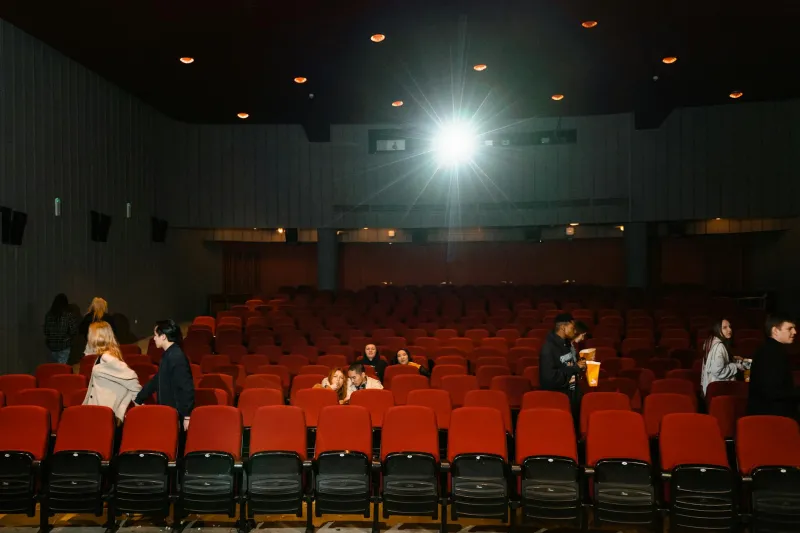
The Paramount Theater in downtown Charlottesville seated 1,200 people. Every Tuesday and Saturday night through the 1950s and 1960s, it was packed. Not just full—packed, with families arriving an hour early to claim the best seats, kids in their church clothes squirming with anticipation, and teenagers carefully arranging themselves in the back rows where romance might bloom in the flickering darkness.
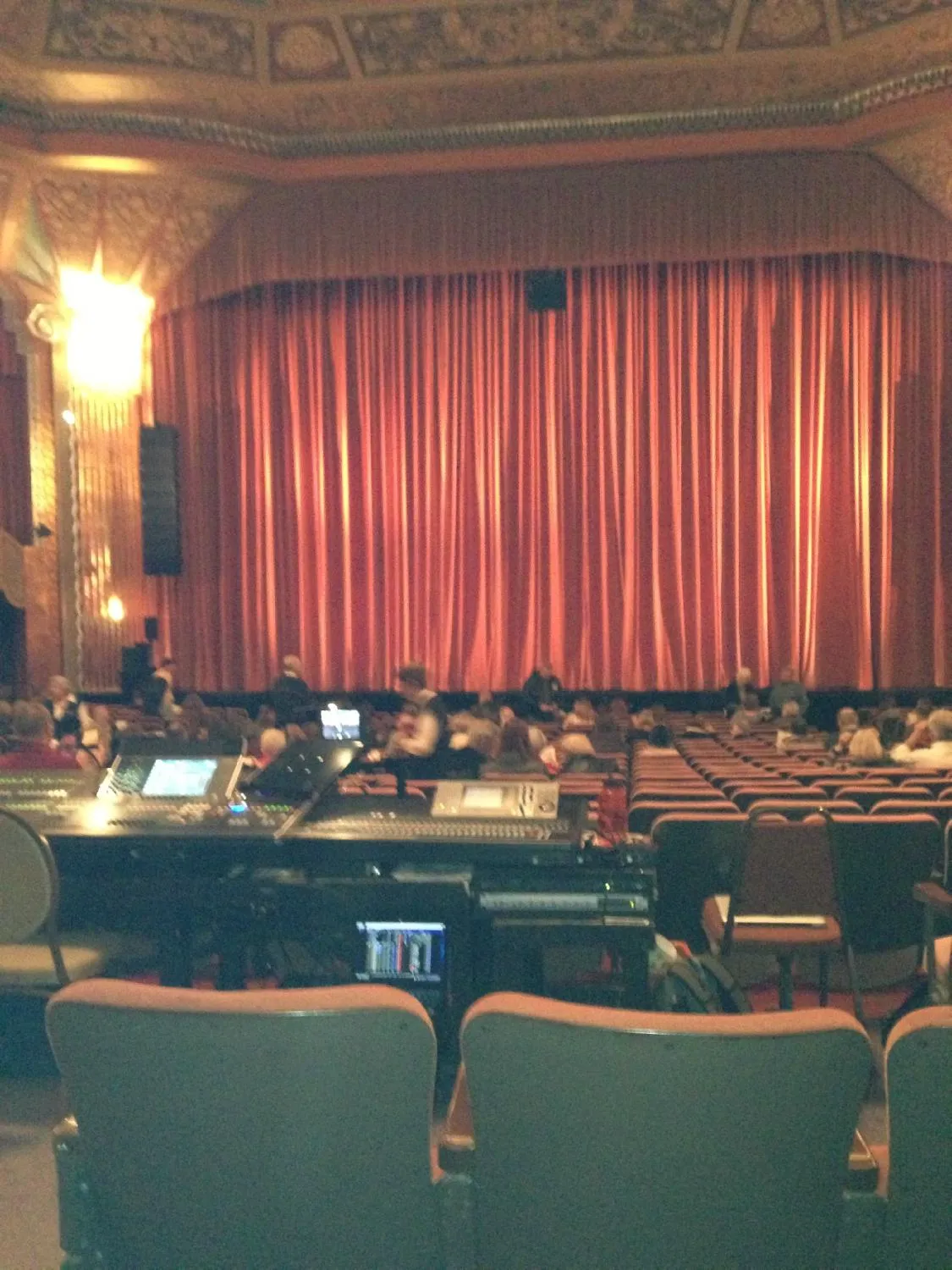 Photo: Paramount Theater, via s.yimg.com
The Paramount wasn't just a movie theater. It was a cathedral of entertainment, with a soaring ceiling painted like a night sky, complete with twinkling stars and drifting clouds. Red velvet curtains hung heavy across a screen that seemed impossibly large. Ushers in pressed uniforms guided patrons to their seats with flashlights, treating every showing like an important event.
Because it was an important event. For most Americans, going to the movies was the biggest entertainment decision they'd make all week.
When Tuesday Night Meant Something
In 1955, the average American attended 46 movies per year—nearly one every week. But unlike today's casual streaming habits, each trip to the theater was deliberate, planned, and shared. Families would check the newspaper on Sunday to see what was playing, debate their options over dinner, and make their decision like they were planning a small vacation.
Going to the movies meant getting dressed up. Not black-tie formal, but presentable—your good pants, a pressed shirt, maybe a dress and heels for the ladies. You were going out in public, sitting shoulder-to-shoulder with your neighbors, and appearances mattered.
The experience began before you even saw the movie. You'd walk through the ornate lobby with its marble floors and crystal chandeliers, buy your ticket from a person in a booth (not a machine), and maybe splurge on popcorn that was popped fresh in a real kettle right there in the concession stand.
The Ritual of Shared Wonder
Then came the magic hour. The lights would dim, conversations would hush, and 1,200 people would turn their attention to the same screen. No phones buzzing, no tablets glowing, no distractions of any kind. For two hours, an entire community shared the exact same experience.
Everyone laughed at the same jokes at the same moment. Everyone gasped when the monster appeared. Everyone held their breath during the romantic kiss. The collective energy of that shared attention created something that simply doesn't exist when you're watching alone on your couch.
When the movie ended, people didn't immediately scatter. They lingered in the lobby, discussing what they'd just seen. Debates about the ending, arguments about the acting, speculation about what might happen in the sequel. The movie wasn't just entertainment—it was social currency that would fuel conversations for days.
The Neighborhood Institution
Every American town had its movie palace, and these weren't just businesses—they were civic institutions. The Paramount in Charlottesville, the Majestic in San Antonio, the Fox in Atlanta. These theaters were sources of local pride, architectural landmarks that anchored downtown districts and drew people from miles around.
Theater owners knew their communities intimately. They'd book family-friendly pictures for Saturday matinees, romantic dramas for date nights, and action adventures for teenage crowds. The local theater wasn't just showing movies—it was curating cultural experiences for specific audiences.
Many theaters supplemented movies with live entertainment. Organ concerts before the feature presentation, amateur nights where local talent could perform, and special events that made the theater feel like the beating heart of community life.
The Death of Ceremony
By the 1980s, the multiplex had arrived. Instead of one grand theater showing one carefully chosen film, you could pick from eight or twelve smaller screens tucked away in a strip mall. The experience became more convenient but less special. The ornate lobbies gave way to carpeted hallways. The uniformed ushers disappeared. The communal aspect began to fragment as audiences scattered across multiple smaller theaters.
Today, we have infinite choice and zero ceremony. Netflix offers 15,000 titles. You can watch anything, anytime, anywhere. You can pause for bathroom breaks, rewind confusing scenes, and scroll through your phone during boring parts. You're completely in control of the experience.
And somehow, it feels like something's missing.
The Paradox of Infinite Options
Modern Americans spend an average of 18 minutes browsing streaming services before choosing what to watch—and 25% of the time, they give up and watch something they've already seen. We have access to more entertainment than any generation in human history, yet we're somehow less satisfied with our choices.
Psychologist Barry Schwartz calls this "the paradox of choice." When options are limited, we're more likely to appreciate what we choose. When options are infinite, we second-guess ourselves and wonder if we're missing something better.
 Photo: Barry Schwartz, via pi.tedcdn.com
The family that drove to the Paramount on Tuesday night didn't agonize over their choice. They saw what was playing, bought their tickets, and committed to the experience. That commitment—combined with the shared energy of 1,200 other people making the same choice—created satisfaction that our endless options can't match.
What We Lost in the Translation
We gained convenience, choice, and control. We can watch Oscar winners in our pajamas, pause epic adventures to make dinner, and enjoy cinematic masterpieces on devices that fit in our pockets. The technology is miraculous.
But we lost the ceremony, the community, and the commitment that made movies feel important. We traded the grand shared experience for the small personal one. We gave up the neighborhood palace for the bedroom screen.
Most importantly, we lost the sense that entertainment was something special—worth dressing up for, worth planning around, worth experiencing together with people who weren't part of our immediate family or friend group.
The Empty Palace
The Paramount Theater in Charlottesville closed in 1974. Like thousands of movie palaces across America, it couldn't compete with the convenience and lower overhead of multiplex theaters. The building sat empty for years before being converted to office space.
Walk through any American downtown today, and you'll find similar stories. Magnificent theaters that once drew entire communities together now house insurance offices, furniture stores, or nothing at all. The architectural grandeur remains, but the social function has vanished completely.
We can watch better movies today than the audiences at the Paramount ever imagined. The special effects are more spectacular, the sound is more immersive, and the storytelling is more sophisticated. But we watch them alone, in fragments, without ceremony or commitment.
Something tells us we gained the world of entertainment but lost our souls as an audience. The next time you're scrolling through Netflix for the third time this week, unable to decide what to watch, think about those Tuesday nights at the Paramount. Think about 1,200 people choosing the same thing at the same time, and finding joy in that simple act of shared attention.
That's what we gave up when we decided that convenience was more important than community.