The Sacred Kitchen Archive
In millions of American kitchens, tucked between the sugar canister and the spice rack, sat a weathered wooden box that held more family history than any photo album. The recipe box—filled with stained index cards, newspaper clippings, and scraps of paper bearing the handwriting of mothers, grandmothers, and great-aunts—was the heartbeat of home cooking.
These weren't just cooking instructions. They were love letters written in measurements and method, each card telling the story of Sunday dinners, holiday traditions, and the quiet moments when knowledge passed from one generation to the next.
When Recipes Carried Stories
Every handwritten recipe card was a small biography. "Aunt Helen's Famous Pound Cake" came with margin notes: "Use real vanilla—Helen always said the fake stuff ruined everything." "Mom's Beef Stew" included the warning "Don't let Dad add extra salt!" scrawled in fading blue ink. "Great-Grandma's Bread" featured measurements in "coffee cups" and "butter the size of an egg"—imprecise by today's standards, but perfectly clear to anyone who'd watched the baker work.
These cards accumulated battle scars that told their own stories. Flour fingerprints on a cookie recipe revealed which treats got made most often. Grease stains marked the spots where busy hands had consulted the instructions mid-preparation. Some cards were so worn that certain words had rubbed away entirely, leaving gaps that only family members could fill from memory.
The Ritual of Recipe Inheritance
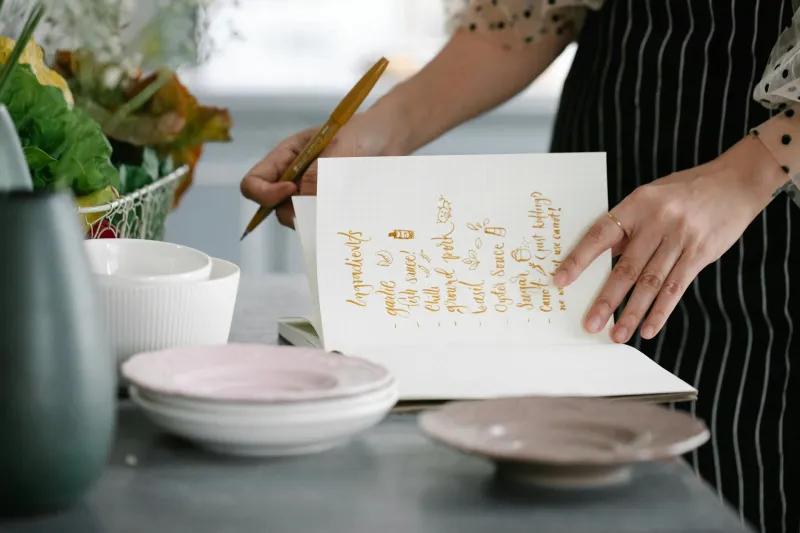
When daughters married or sons moved out, the recipe sharing ceremony was as important as passing down jewelry. Mothers would carefully copy their most treasured recipes onto fresh index cards, often including the stories behind each dish. "This is what I made for your father when we were courting." "Your grandmother taught me this during the Depression—it feeds eight people for under two dollars."
The physical act of copying recipes by hand created a deeper connection to the food. Each stroke of the pen was an investment in preserving not just ingredients and instructions, but family identity. The handwriting itself became part of the recipe's charm—recognizing Mom's careful cursive or Grandma's hurried scrawl was like hearing their voices in the kitchen.
From Index Cards to Instant Access
Today's home cooks live in a universe of infinite culinary possibilities. YouTube cooking channels offer step-by-step video guidance. Pinterest boards organize thousands of recipes by cuisine, dietary restriction, and cooking time. Meal kit services deliver pre-measured ingredients with foolproof instructions. Apps like Yummly and Allrecipes use algorithms to suggest dishes based on what's already in your pantry.
The modern kitchen experience prioritizes convenience and variety over continuity. Instead of mastering the dozen recipes that defined family gatherings, today's cooks can attempt a different cuisine every night of the week. Instead of learning to eyeball measurements and adjust seasonings by taste, they can follow precise instructions that promise consistent results every time.
What the Algorithm Can't Capture
But something essential gets lost in translation from handwritten card to digital screen. Today's recipes are technically superior—more precise, more reliable, often more sophisticated. They include nutritional information, cooking tips, and user reviews. They're searchable, shareable, and infinitely reproducible.
What they don't include is the story of why this particular combination of ingredients mattered to your family. They don't carry the memory of standing on a stepstool beside your grandmother, learning that "a pinch" meant different things depending on the size of your fingers. They don't preserve the knowledge that this recipe always gets made for birthday celebrations, or that it's the dish that brings comfort during difficult times.
The handwritten recipe box was more than a collection of cooking instructions—it was a family's edible autobiography. Each stained card represented a moment when someone cared enough to write down not just what to cook, but how to carry forward the traditions that made a house feel like home.
The Lost Art of Kitchen Inheritance
Modern families still cook together, but the knowledge transfer has fundamentally changed. Instead of learning family recipes by heart, children learn to search for "easy weeknight dinners" or "healthy meal prep ideas." Instead of developing an intuitive understanding of how ingredients work together, they rely on precise measurements and timer alerts.
The recipe box represented something that no cooking app can replicate: the understanding that food is memory, that cooking is connection, and that the best recipes aren't just about feeding bodies, but about nourishing the bonds between generations.
In losing our handwritten recipe cards, we've gained access to the world's cuisines but lost touch with our own family's culinary story. We can make anything, but we've forgotten why certain dishes used to matter enough to write down, preserve, and pass along as precious inheritance.