The Beautiful Art of Vanishing
In 1978, when your parents packed up the station wagon for a two-week road trip to Yellowstone, they disappeared. Not metaphorically—literally. Once they backed out of the driveway, they might as well have been on the moon.
There were no cell phones to check in with. No Wi-Fi to upload sunset photos. No GPS to share their location in real-time. For fourteen days, they existed in a bubble completely separate from their regular lives, contactable only through the occasional long-distance call from a payphone at a roadside diner—if they remembered to call, and if anyone happened to be home to answer.
This wasn't a bug in the system. It was the entire point.
The Postcard Economy of Communication
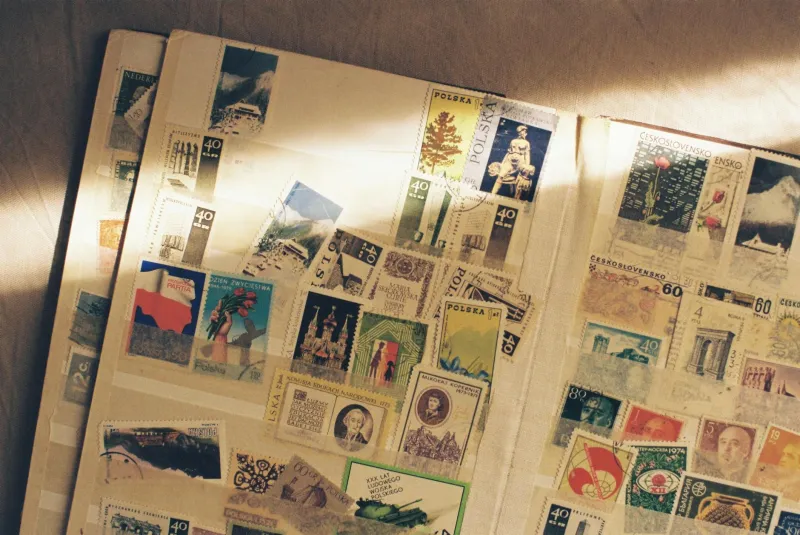
Your only lifeline back to the world you'd left behind was a postcard. Not an Instagram story that disappeared in 24 hours, but a physical piece of cardboard that you had to choose carefully, write by hand, buy a stamp for, and drop in a mailbox—knowing it wouldn't reach home for at least a week.
Postcards were the original social media, but with a built-in delay that made every message feel precious. You couldn't fire off stream-of-consciousness updates about your hotel breakfast or complain about traffic in real-time. You had about two square inches to sum up entire days of experience in a way that would make sense to someone reading it long after the moment had passed.
"Having a wonderful time in the Grand Canyon. Weather perfect. Kids only fought twice. Home Thursday. Love, Mom."
That was it. That was the entire digital footprint of a family vacation.
When Getting Lost Was Half the Adventure
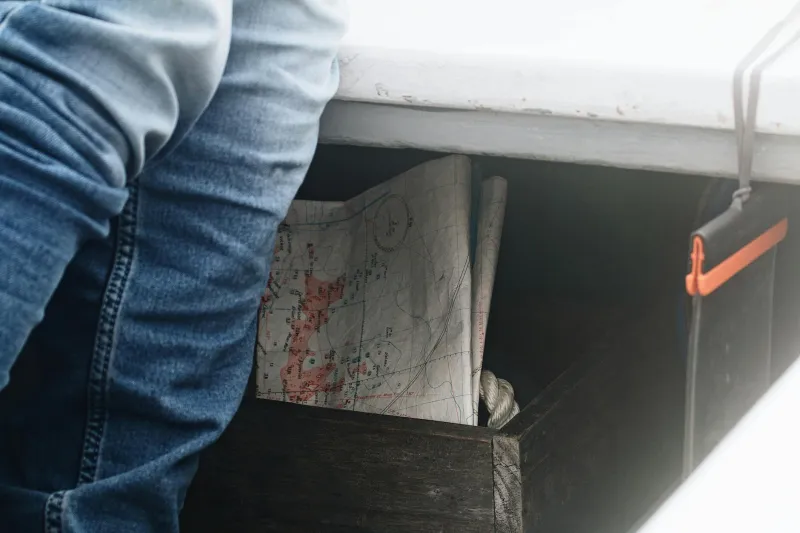
Without GPS, every trip was a navigation puzzle. You planned your route with paper maps spread across the kitchen table, tracing highways with your finger and circling towns where you might stop for gas. Once you hit the road, you were committed to that plan—or prepared to improvise when you inevitably took a wrong turn.
Getting lost wasn't a minor inconvenience to be solved by asking Siri for directions. It was part of the adventure. You'd pull over at gas stations to ask for directions, unfold crinkled maps on the hood of your car, and sometimes discover amazing places you never would have found if you'd stayed on the planned route.
Every family had stories about the time Dad refused to ask for directions and they ended up discovering that perfect little diner in the middle of nowhere, or the scenic overlook that wasn't in any guidebook.
The Enforced Digital Detox
What we call a "digital detox" today used to be just called "leaving town." When you traveled, you genuinely disconnected from work, from news, from the daily drumbeat of obligations and updates that filled your regular life.
You couldn't check email because email didn't exist. You couldn't scroll social media because social media didn't exist. You couldn't even check the weather forecast beyond what you could see out the car window or hear on the local radio station.
This forced disconnection created a different relationship with time and place. Without the ability to constantly document and share your experience, you had to actually live it. You were present in a way that's almost impossible to imagine today.
The Mystery of Other People's Journeys
When someone went on vacation, they truly disappeared from your life until they returned with stories and souvenirs. You couldn't follow along with their adventure in real-time, couldn't see photos until they got them developed weeks later, couldn't even be sure they'd arrived safely until that postcard showed up in your mailbox.
This created a sense of mystery and anticipation around travel that's been completely lost. When your neighbor came back from their European vacation, you actually wanted to hear about it because you had no idea what they'd been up to. Their stories weren't competing with the 200 photos they'd already posted online—they were your first glimpse into their adventure.
The Return to Connection
Today's travel experience is radically different. You can video chat with family from a café in Bangkok, share real-time photos from Machu Picchu, and navigate foreign cities with the same GPS precision you use to find a Starbucks at home.
We've gained incredible convenience and safety. Parents don't spend sleepless nights wondering if their college kids made it to spring break safely. Business travelers can stay connected to urgent work matters. Families can share experiences with grandparents in real-time, making them feel like part of the journey.
What We Lost When We Stopped Disappearing
But something fundamental changed when travel stopped being about disappearing and started being about staying connected. The magic of being somewhere else got diluted when "somewhere else" became just another place to be online.
When you can instantly share every moment of your vacation, the experience becomes performance. You're not just seeing the sunset—you're curating the sunset for your social media audience. You're not just trying the local food—you're photographing it for Instagram.
The enforced patience of the postcard era created space for experiences to marinate before they became stories. You had time to process what you were seeing and feeling before you had to package it for consumption by others.
The New Old-Fashioned Travelers
Interestingly, some modern travelers are intentionally trying to recreate that old sense of disconnection. They're buying "dumb" phones for vacations, avoiding Wi-Fi, and even—in a delicious bit of retro rebellion—sending postcards again.
There are hotels that advertise their lack of Wi-Fi as a luxury amenity. Tour companies that require participants to put their phones in locked boxes. Travel experiences specifically designed around the radical concept of being present.
It turns out that what we thought was a limitation of old-fashioned travel—the inability to stay connected—was actually its greatest feature. Sometimes the best way to find yourself is to get lost, and sometimes the most meaningful way to share an experience is to keep it to yourself until you get home.
In our rush to document and share every moment, we may have forgotten the simple pleasure of disappearing into an adventure and emerging with nothing but memories and maybe, if we're lucky, a slightly faded postcard to prove we were there.