The Church Hall Reception That Started It All
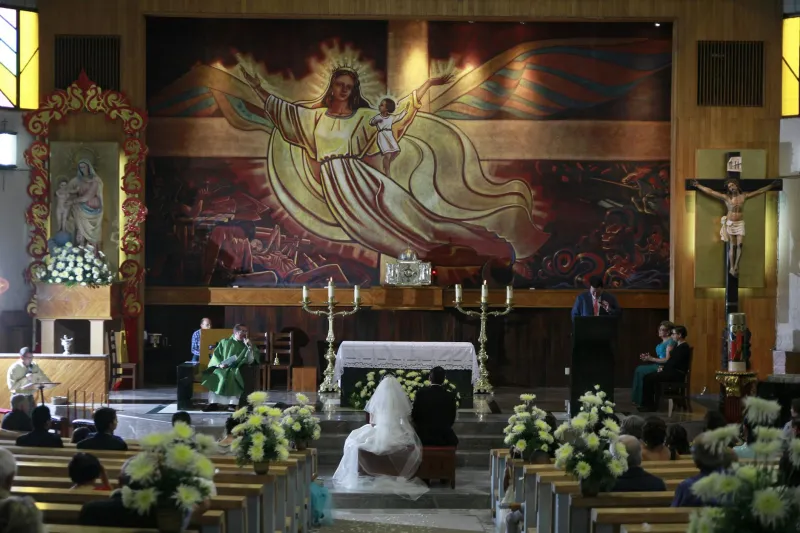
Margaret and Robert's 1962 wedding photos tell a story that modern couples might find hard to believe. The bride wore her mother's altered dress, the groom rented a tuxedo for $8, and the reception took place in the church fellowship hall with homemade cake, punch, and sandwiches prepared by the women's auxiliary. Total cost: $127, including the marriage license.
This wasn't a budget wedding or a compromise born of financial hardship. This was how Americans got married for most of the 20th century—with dignity, community support, and celebrations measured in love rather than luxury.
The Economics of Forever
In 1960, the average American wedding cost approximately $200, equivalent to about $2,000 in today's money. This figure covered everything: the ceremony, reception, flowers, photography, and the bride's dress. For context, this represented roughly one week's salary for a middle-class worker—significant but manageable, not the months of saving required today.
Most ceremonies took place in houses of worship where the couple already belonged, eliminating venue fees. Reception halls were often church basements or community centers donated by congregations. Catering meant potluck dishes prepared by family members, with the church ladies organizing the serving and cleanup.
Photography consisted of a few formal portraits and candid shots taken by a local professional or talented relative. The concept of engagement photos, bridal portraits, or day-of wedding photography packages didn't exist. One photographer, one camera, one afternoon—and families treasured those images for generations.
The Simplicity Standard
Wedding dresses came from local department stores or were sewn by mothers, aunts, or neighborhood seamstresses. Many brides wore family heirloom dresses, altered to fit current styles. The idea of spending thousands on a dress worn once seemed wasteful rather than romantic.
Flowers were seasonal and local—whatever bloomed in nearby gardens or could be affordably purchased from the town florist. Elaborate floral installations, centerpieces that cost more than most people's monthly grocery budget, and destination flowers flown in from exotic locations were unimaginable luxuries.
Music meant the church organist and perhaps a soloist from the congregation. The concept of hiring professional wedding bands, DJs, or string quartets existed only in the wealthiest social circles.
When Community Was the Wedding Planner
The most striking difference between past and present weddings lies in who organized them. Families and religious communities naturally assumed responsibility for making weddings happen. Church ladies coordinated receptions. Relatives handled decorations. Neighbors contributed food and labor.
This community involvement created weddings that reflected local traditions and personal relationships rather than magazine spreads or Pinterest boards. The focus remained on the couple and their commitment, not on creating an Instagram-worthy event for extended social networks.
Wedding planning as a professional industry barely existed. No wedding coordinators, venue managers, or specialized vendors competed for couples' attention. Families simply made lists, divided responsibilities, and relied on their communities to help create memorable celebrations.
The Birth of the Wedding Industrial Complex
The transformation began gradually in the 1970s and accelerated dramatically through the following decades. Bridal magazines, which had existed since the 1930s, began promoting increasingly elaborate wedding standards. Television shows and movies depicted weddings as fairy-tale productions rather than community celebrations.
The rise of two-income households in the 1980s created couples with more disposable income and less time for DIY wedding preparation. Professional wedding services expanded to fill this gap, but they also began driving up expectations and costs.
By the 1990s, the "dream wedding" had become a standard life goal rather than a luxury. Credit card financing made expensive weddings accessible to couples who couldn't afford them, fundamentally changing the relationship between wedding costs and family finances.
The Modern Wedding Economy
Today's average American wedding costs approximately $28,000, representing a 1,400% increase from 1960 levels, far outpacing inflation. This figure often doesn't include honeymoons, engagement parties, or other wedding-related expenses that can push total costs well above $40,000.
Modern couples routinely spend more on photography alone than previous generations spent on entire weddings. Venue fees that didn't exist in 1960 now represent the largest single wedding expense. Catering costs per person often exceed what entire families once spent on wedding receptions.
The wedding industry has created elaborate expectations around every detail. Engagement photos, save-the-date cards, wedding websites, rehearsal dinners, welcome bags, and post-wedding brunches have become standard elements of the modern wedding experience.
The Social Media Effect
Social media has intensified wedding pressure by making every celebration a public performance. Couples plan weddings not just for their guests but for their extended online networks. The pressure to create "shareable moments" has driven costs higher and shifted focus from personal meaning to visual impact.
The Pinterest effect has democratized access to luxury wedding ideas while creating unrealistic expectations about what constitutes an acceptable celebration. Couples compare their weddings not to their parents' or neighbors' celebrations but to professionally styled photo shoots and celebrity weddings.
What Money Can't Buy
Despite spending 14 times more than previous generations, modern couples often report feeling more stressed about their weddings than their predecessors. The abundance of choices and the pressure to create perfect events has transformed wedding planning from a joyful community effort into a complex project management challenge.
The focus on wedding perfection has also shifted attention from marriage preparation to event production. Couples who spend months obsessing over centerpiece details may invest less time discussing their future together than their grandparents did during a few weeks of simple wedding planning.
The Cost of Dreams
The financial impact of modern wedding expectations extends far beyond the wedding day. Many couples begin married life carrying significant debt from their celebrations, creating stress that affects their early years together. The money spent on elaborate weddings could fund down payments on homes, emergency funds, or other investments in the couple's shared future.
Some couples are rebelling against wedding industry expectations, choosing smaller celebrations that echo earlier traditions. But they often face social pressure and family disappointment when they opt for simplicity over spectacle.
The Real Investment
Margaret and Robert, whose $127 wedding began this story, celebrated their 60th anniversary last year. Their wedding photos may lack the professional polish of modern celebrations, but they captured something that no amount of money can guarantee: the beginning of a lifetime partnership supported by community and focused on commitment rather than consumption.
The transformation of American weddings from community celebrations to luxury productions reflects broader cultural shifts toward individualism, consumerism, and social media performance. Whether these changes have made weddings more meaningful or simply more expensive remains a question each couple must answer for themselves—preferably before the bills arrive.